(Shutterstock)
A cloud storage plan. A transport app. A streaming service I barely use but refuse to cancel because I might watch something later. A music subscription I tell myself I need for focus. A language-learning app I open just often enough to pretend I’m still committed. None of these looks essential on its own, which is probably why they have settled into my life so easily. They look helpful, manageable: a smoother commute, more storage, better concentration, a version of myself that might, with the right monthly fee, become slightly more organized, more skilled, less bored.
I used to think adulthood would announce itself with bigger things. Rent, maybe. Furniture. A life solid enough to point to. Something visible. Something heavy enough to be called a milestone.
Instead, it seems to have slipped in through smaller charges.
Not one gigantic expense, but a surprising accumulation. The kind that barely registers on its own, then starts to feel intimate once it lines up beside the others in a banking app. Rp 49,000 here. Rp 89,000 there. One charge for getting around, one for storing files, one for listening to music while feigning a soundtrack for a day ruled by deadlines. None of it feels grand enough to count as the architecture of a life. Yet, together, that is exactly what they begin to resemble.
This is the part of adulthood I did not expect. Not the responsibility, exactly. People warn you about that early. It is the maintenance that caught me off guard. How much of grown life seems to consist of keeping small systems from collapsing. Making sure the files still sync and the ride still arrives. Trying to build a background to make a Tuesday evening feel less bleak than it has any right to.
There is something disconcerting about how unremarkable these payments are. Less indulgence than residue, they look like the kind of thing a mildly distracted person signed up for during a stressful week and forgot to revisit, which, to be fair, is often exactly what happened. But after a while, they stop feeling random and begin to reveal a pattern. A pattern that is harder to shrug off.
Thank you!
For signing up to our newsletter.
Please check your email for your newsletter subscription.
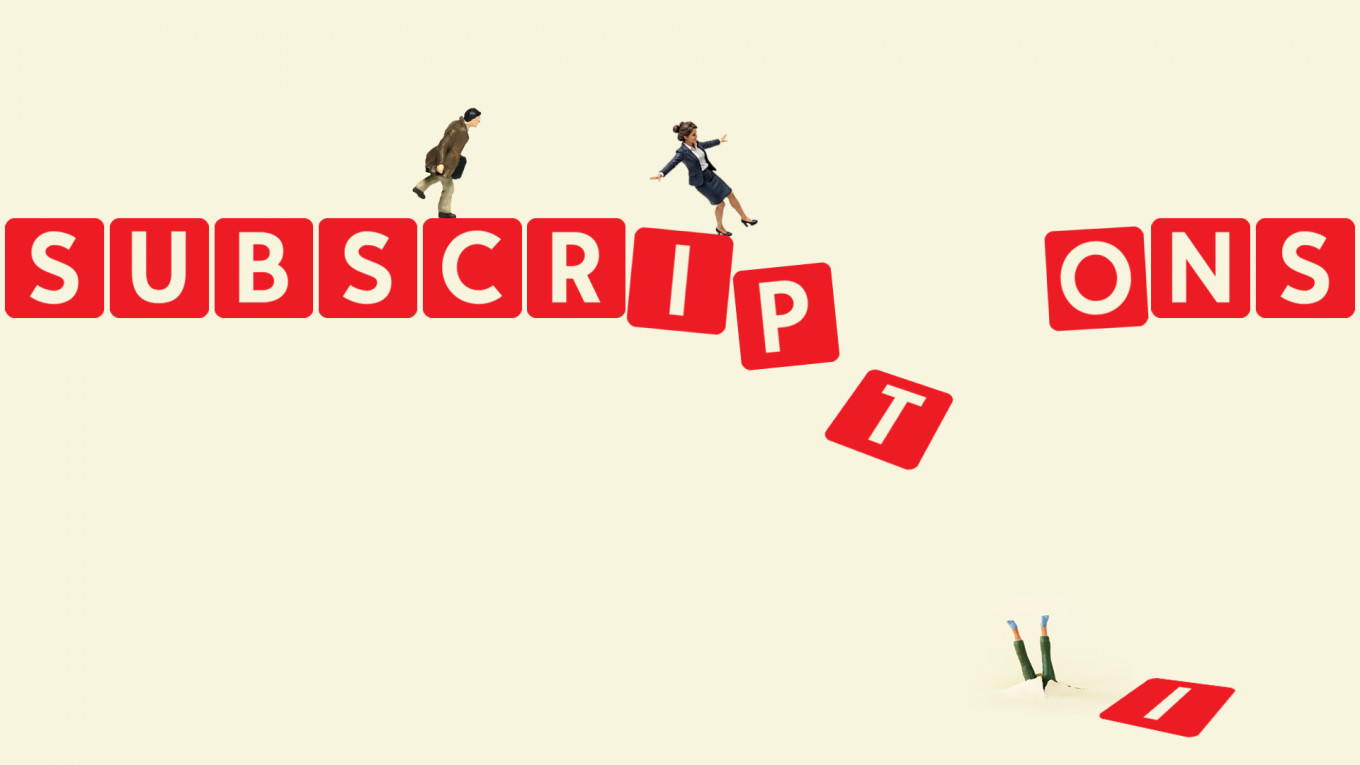
Modern adulthood is not only expensive. It is recurring.
That may be why the usual guilt around subscriptions never quite lands for me. It is not simply about weak self-control, or a generation too seduced by convenience, or the inability to cancel one app and move on.
Some of these things really do make life easier: A transport app is not laziness when the city is hot and perfectly willing to leave you dehydrated. Cloud storage is not decadence when your work, your notes, and half your memories now live behind a password. Even streaming, the most unserious of the bunch, often ends up doing more emotional work than it should. Sometimes you are not paying for a show. You are paying for the relief of having somewhere to fall after the day has taken too much out of you.
That is what makes these charges sticky. What they offer is not extravagance, but gentler friction with the world. The expenses provide small edits to the day, each one mild enough to seem reasonable. And because the promise is never transformation, only slight improvement, it is hard to call any of it absurd. What is one more monthly fee if it helps you arrive less irritable, work a little faster, or believe for twenty minutes that your life is not one missed payment away from becoming chaotic?
The answer, of course, is that one more monthly fee is rarely just one more monthly fee. It joins the others.
It occurs to me now that what many of us are buying is not simply access, but continuity. The ability to move through the month without too much drag. To remain reachable, lightly entertained, vaguely in possession of ourselves. Nobody grows up dreaming of a carefully curated stack of auto-renewals. Still, it is hard to deny how much of ordinary life now depends on tiny digital permissions renewing in the background, as if adulthood were less a house than a set of doors that keep asking for a passcode.
The strangest part is not only that these payments repeat. It is that they rarely leave anything behind. Recurring costs are not new, of course. People before us paid for cable, gym memberships, magazines and phone lines. They probably complained about them too. But there was, at least, a clearer sense of what stayed. You bought an album and owned the album. You bought software and it lived on your computer. You bought a map and it folded badly in the glove compartment, but it was yours.
I do not say this with nostalgia. I am Gen Z; my memory of "owning media" is mostly other people's stories and a few DVDs that seemed to scratch themselves out of spite. I have grown up in a world where access feels normal. Songs live in libraries I do not own. Documents float in storage I rent. Photographs of people I love sit behind terms and conditions I have not read.
Still, there is a peculiar unease in paying and paying for something that never becomes fully yours.
Maybe that is the difference. The money is not only buying a product. It is buying permission to keep using the scaffolding around your life. Stop paying, and the thing does not merely become old, it locks, shrinks, downgrades, expires. A playlist disappears into silence. A folder becomes too full to accept new memories. A ride home becomes more expensive and harder to bear.
That does not make every subscription sinister. Most of them live in the murky middle, where modern life often happens: useful enough to defend, trivial enough to resent, repetitive enough to unsettle. I still do not cancel them. Or rather, I cancel one and feel virtuous for two days, then replace it with another small convenience wearing a different icon.
Perhaps the anxiety is not that I pay for too many things. It is that so many parts of my life now feel temporarily held together by access: my work, my memory, my routes through the city, my little rituals of rest. And when I look at those charges again, what feels expensive is not the service, but how quickly life begins to fray without it.
Lutfiya Tussifah balances government work and campus life, often escaping into words when reality gets too loud, hoping those words will one day become a book.