I used to think I knew what rainy season meant in my city, Medan. It was something to plan around: an extra jacket, sturdier shoes, leaving the house 30 minutes early. Nothing more.
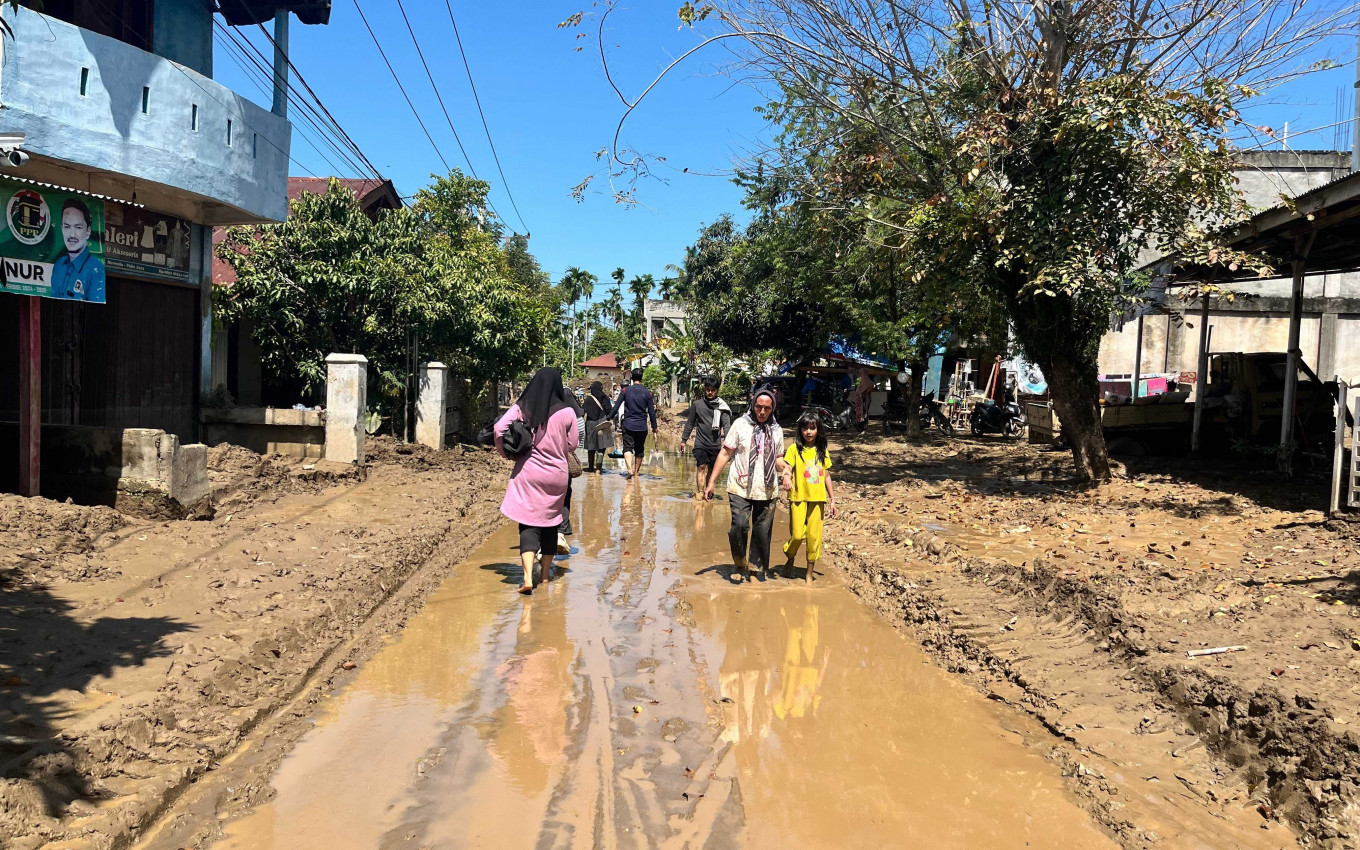
That was until a Thursday morning in the final week of November, when I opened the gate of my dorm and found water rising around my knees. The city had been redrawn overnight, without either warning or permission.
It was then that I realized how fragile normalcy truly is and how quickly the everyday can shift from routine to survival.
When streets turn strange
I hesitated for a few seconds before stepping into the rising water. I simply didn’t have a choice. No ojol (online transportation) driver would accept an order in that condition, and waiting for the rain to let up would have meant waiting endlessly.
So I kept walking, placing each foot carefully as if stepping on unfamiliar ground, because in many ways it was. My usual commute had transformed into a terrain that demanded more from my body than it ever had.
Thank you!
For signing up to our newsletter.
Please check your email for your newsletter subscription.
Still, I moved on. That alone made me one of the lucky ones.
By the time I reached the main road, the water was even higher. Businesses were closed and people stood helplessly on what used to be sidewalks, unsure whether to go on or go back.
(Shutterstock)
After at least three straight days of rain, Medan was beginning to feel the weight.
When the ground finally broke through the floodwater and I reached my office, I felt a wave of relief that had nothing to do with work. I was simply grateful to fold my umbrella and roll my trousers back down to my ankles.
What crisis teaches us
As the day stretched on, the situation across North Sumatra worsened. The news was relentless: inundated homes, evacuated families, entire neighborhoods cut off from electricity, clean water, even the mobile signals needed to call for help.
Many people had lost more than property. Some lost the only space that held their memories, homes built with people they loved, loss that cannot be measured.
That night, the rain still refused to stop. Leaving the office meant walking through the same punishing route again with unpredictable water levels, but this time in the dark.
So I stayed and slept at my desk. That, too, felt like privilege. Comfort was no longer the metric; safety was. But even that was unevenly distributed.
On Friday morning, the floodwaters near my office had receded. I took the opportunity to return briefly to my dorm to change clothes before heading back to work.
For the first time in days, the streets along my usual route were dry. Normally, I would have walked them without a second thought, my mind already halfway to the tasks waiting on my desk.
But that morning, I slowed down. I looked at the pavement beneath my feet as though encountering it for the first time.
A road is just a road until one week reminds us it can disappear without warning. Suddenly, it felt like a gift.
Gratitude in an age of collapse
It was strange to treat the ordinary comforts of life, such as dry feet, reachable destinations and the absence of turbulence, as something wondrous.
But that is what crisis does. It rewires our sense of what is normal. What used to be expected becomes precious; what was once unnoticed becomes miraculous.
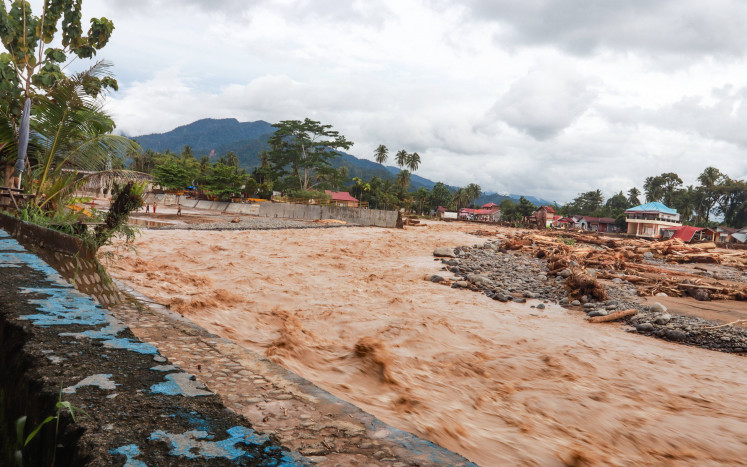
The scale of the tragedy across northern Sumatra is clear from the toll: 147 people dead, 174 missing and 28,427 displaced as of Nov. 29, and still rising. These numbers were devastating, yet had become heartbreakingly familiar as three provinces suffered at once: Aceh, North Sumatra and West Sumatra.
(Shutterstock)
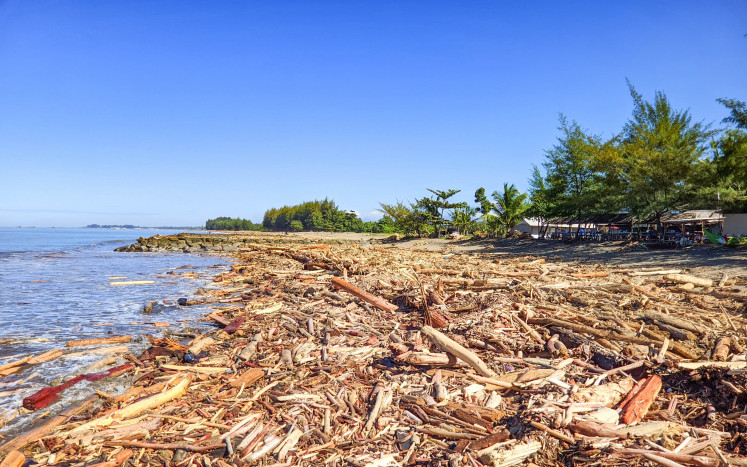
News reports showed the debris of illegally cut logs floating in floodwaters, as if the land was exposing its wounds, revealing what had been taken from it.
Dozens of people are still missing. Families are waiting for updates that might never come.
What we’re inheriting
In moments like these, I feel an urge to speak for my generation, the so-called Gen Z, often labeled as too soft or too easily overwhelmed. I wonder how anyone can hold that view while watching an entire generation inherit the consequences of environmental decisions they did not make.
We are not fragile: We are exhausted. We are growing up in a world where stability crumbles faster than policies can adapt. It is a world where even the weather is unpredictable, where a simple commute can turn into a negotiation with nature’s discontent.
People often mock my generation for romanticizing small joys, but perhaps they don’t understand that these have become harder to come by.
We celebrate clear skies because we know how easily they darken. We celebrate uneventful days because they are no longer guaranteed.
We savor dry roads, functioning electricity and nights of uninterrupted sleep not because we lack ambition, but because our baseline for gratitude has been pushed lower by circumstances beyond our control.
A question for our future
The Sumatra disaster has made me confront a question I never thought I would have to ask so soon: Is this the world I want to leave to my future children? A world where normality is temporary, where safety feels conditional, where the natural environment responds directly to every decision made in boardrooms and government offices decades before they were born.
It is difficult to imagine raising a child to believe in stability when even now, I am learning that stability is something we must fight to maintain rather than something we can assume will be there.
I want to be hopeful. I want to believe that things can improve, that accountability is possible, that preventive action can replace reactive mourning.
But then I look at the illegal logging debris carried by the floods, the unanswered questions and the slow explanations, and I feel the edges of that hope soften. I don’t dare say it disappears, but it does tremble.
And so I ask myself, and anyone still listening, a question that feels both urgent and overdue: How many more floods until we stop building on borrowed nature?
Because resilience is not a replacement for responsibility, and gratitude should not be an act of survival. And because normalcy should be something we live in, not something we chase.
Lutfiya balances government work and campus life, often escaping into words when reality gets too loud, hoping those words will one day become a book.