(Shutterstock)
Amid the increasingly uneasy political climate in Indonesia today, many ordinary citizens like me are feeling uncertain and concerned.
I am not a political expert, but I believe it’s important to prepare ourselves mentally for the challenges that may lie ahead. One meaningful way I’ve found to do this is through reading dystopian literature.
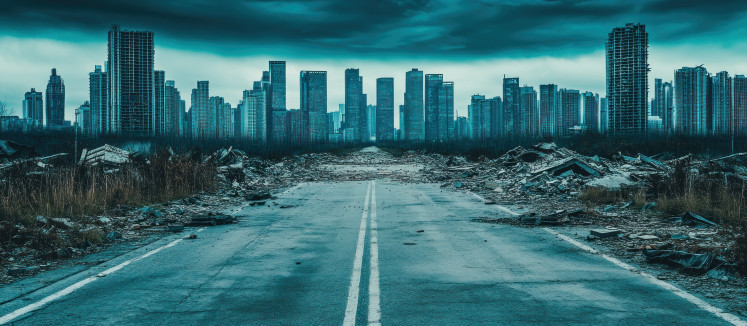
Dystopia, as defined by Merriam-Webster, is an imagined society where people live under misery, stripped of their humanity and driven by fear. Through powerful storytelling, dystopian literature brings these bleak worlds to life, showing how societies can unravel, how freedoms can vanish and how individuals must fight to hold on to their dignity.
Books like 1984 by George Orwell, Brave New World by Aldous Huxley and We by Yevgeny Zamyatin reveal the dangers of unchecked power and the loss of individual freedom. The genre serves as a warning, urging us to recognize and respond to today’s issues before they spiral into disaster.
These stories heighten our awareness and remind us to stay alert to the risks of social and political decay.
Themes too close to home
Thank you!
For signing up to our newsletter.
Please check your email for your newsletter subscription.
In Indonesia today, some of these dystopian themes no longer feel distant.
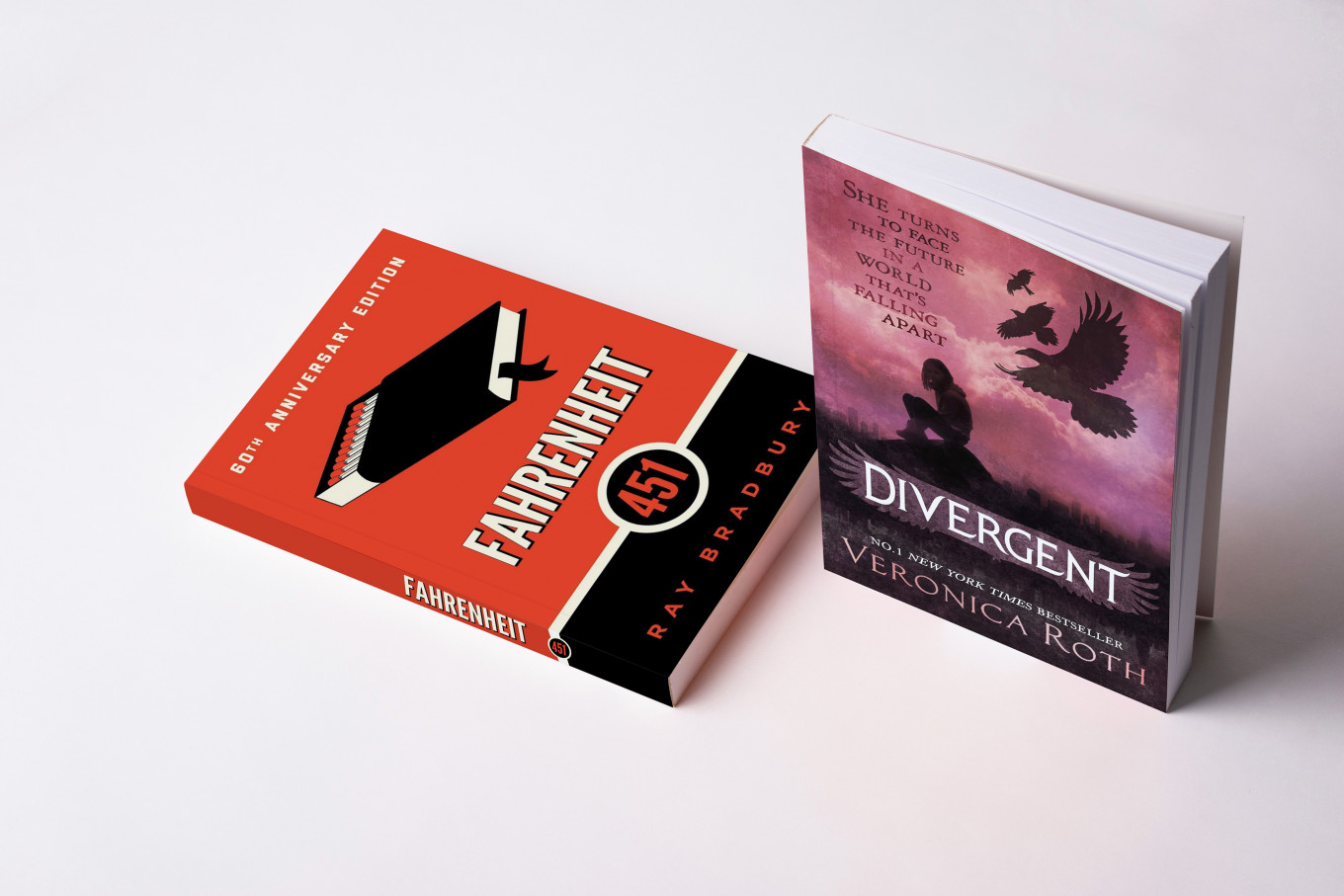
Concerns about freedom of expression are becoming more pressing. Many people have grown increasingly cautious about reading critical or resistance-themed literature in public spaces. There is even a phrase now, urging people to “read while you still can”. It brings to mind Ray Bradbury’s Fahrenheit 451, where books deemed dangerous by the authorities are burned.
These parallels remind us that democracy, freedom of thought and civil liberties are not guaranteed and must be protected through constant vigilance.
Dystopian stories not only warn us; they also inspire resilience.
In Divergent by Veronica Roth, characters continue to hope and resist even when facing oppressive systems. Their courage shows that even in the darkest times, people can still make meaningful choices and stay true to their humanity.
In today’s uncertain world, this spirit offers a powerful source of strength.
Why we should keep reading
Caring about our country does not mean we must all become political experts or activists. Sometimes, it simply means staying informed, sharpening our critical thinking and engaging thoughtfully with the world around us.
Reading dystopian literature helps us do just that. It challenges us to think critically about authority and society and reminds us of the values we must protect. Even something as simple as picking up a book and reflecting on its message can be a quiet but meaningful act of hope.
 (Shutterstock)
For those who want to explore further, there are many other powerful dystopian works beyond the classics mentioned earlier.
Orwell’s Animal Farm uses allegory to expose the dangers of totalitarianism. Anthony Burgess’s A Clockwork Orange explores questions of free will and societal control. Franz Kafka’s The Trial captures the nightmare of being trapped in a faceless, oppressive bureaucracy, while John Wyndham’s The Chrysalids portrays a society that punishes difference and change.
Each of these works delivers a powerful reminder: Freedom is fragile, courage is essential and the fight to protect our humanity must never be postponed.
Nadira Deanda Putri is a stroke researcher on weekdays, a professional napper on weekends. She dreams of becoming a pensioner barista with a small coffee shop at her doorstep.