(Shutterstock)
Sometimes, the urge hits me out of nowhere: I want to sit my mother down and beg her to stop buying things she doesn't need.
"This tumbler is for our car ride. It's a specific size for the holder," she'll say, though we already have more than 10 tumblers at home in various sizes, and I'm not sure any of them have ever made it into a car.
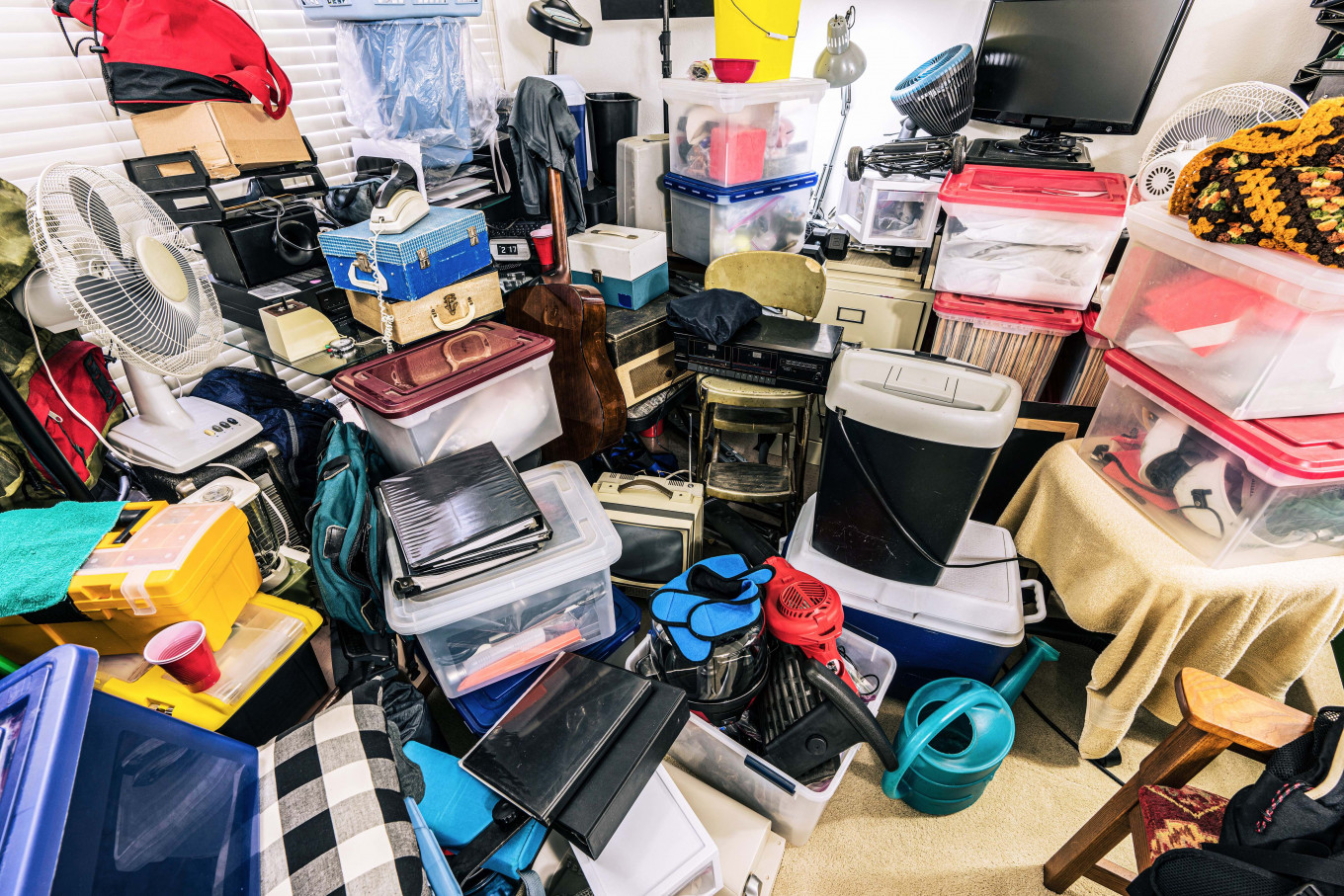
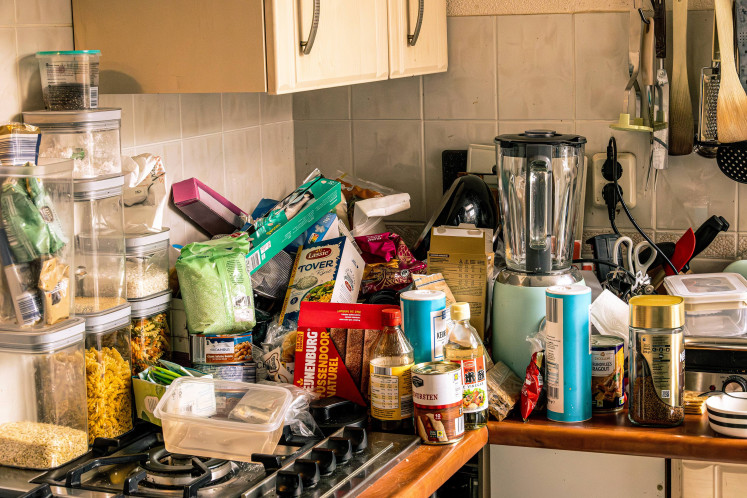
I know this sounds minor. But our kitchen counters, cabinets and tables are now filled with little items of occasional use. Underneath them, tucked away from view, are things that haven't been touched in years, things we're not even sure still work.
It feels to me like there's growing clutter everywhere, even though she says she's in control.
But according to Ani Fegda, a family psychologist and counselor at Esensi Konsultan, what looks like a storage or organization problem is actually an attachment issue that many in our parents' generation inherited from their own parents, quietly and without realizing it.
Because of this, sometimes our own home can become increasingly strange to us: filled with things we didn't choose, stuffed with items we barely use.
Thank you!
For signing up to our newsletter.
Please check your email for your newsletter subscription.
Before we know it, anxiety creeps in. The house starts feeling less like a home. Fights break out over lost items. The discomfort of living in our own space grows until, eventually, someone leaves, worn down by the feeling that there is no room left for them.
We ask ourselves: How did we end up here?
‘Just in case’
People form all kinds of complicated relationships with objects. I used to think attachment happens because of the stories things carry: maybe the item belonged to someone long gone, maybe it's a status symbol, maybe it marks a first solo trip. But a bond formed out of fear can be just as powerful.
"People keep some items because it's a way they save themselves," said Ani.
"This isn't just a habit. It's a way for them to cope with something they can't control."
I saw this clearly in my grandmother, who grew up during the colonial era in a state of constant fear for her own safety. Having clothes, blankets and snacks around was her way of knowing she was safe. To this day, she gives these things to her grandchildren as gifts, as if sharing them is her way of telling us: You are safe too.
But things pile up. Her room is overflowing with vintage trinkets, damaged luggage and old letters. She accumulated these as a safety net, but those "just in case" moments never came. My family could never convince her that any of it belongs in the bin.
 (Shutterstock)
Our grandparents' generation grew up fixing things, not buying new ones. They may not even be familiar with the idea of a dump or a recycling system. So throwing things out feels haram [forbidden], like we don't value what we have," said Tiara Astari, director at Professional Organizer Indonesia.
"I've seen storage rooms full of broken ACs and fridges, containers packed with chopsticks and old spoons, things that no longer have any use but that families simply can't bring themselves to discard."
A new kind of attachment
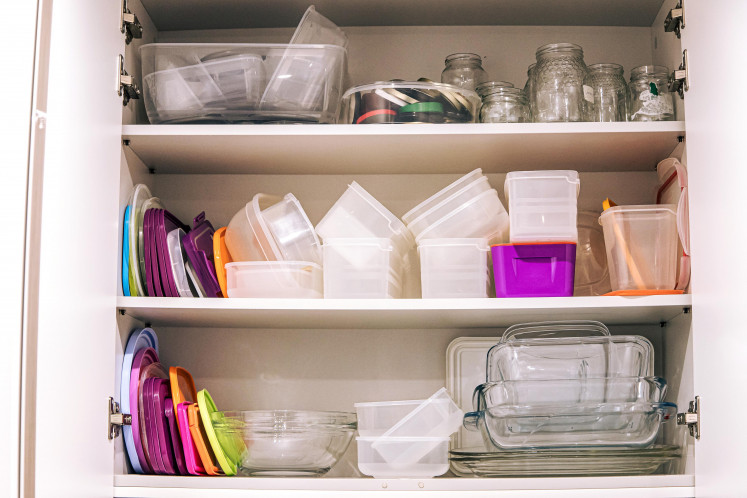
Though this tendency to hold on affects older generations more, shaped by post-war scarcity and trauma, the anxiety around discarding things didn't stay in the past. If anything, it has mutated. Where our grandparents hoarded out of fear of not having enough, we accumulate out of the ease of having too much.
Maybe your housemate is an influencer with boxes of makeup products she'll never finish. Maybe your boyfriend's room is overflowing with collectibles. Maybe your husband buys a new gadget or a pair of shoes every month until the bedroom no longer feels like a place to rest.
Or maybe, if you're being honest, you're someone else's version of this story too.
I’m not the type to buy things impulsively, but I do hesitate to throw things away, knowing they'll just end up in a landfill. It’s my own kind of accumulation.
The emotional dynamics underneath all of it, the defensiveness, the resentment, the feeling of being crowded out of your own space, tend to look the same whether the root cause is trauma or a Shopee sale.
 (Shutterstock)
"It always starts small, like buying things we don't need because there’s a discount," said Ani.
We rarely notice how much we've accumulated until it becomes impossible to ignore.
Your stuff vs. our space
The moment that the problem becomes visible is usually when the conflict begins.
When we grow unsettled by someone else's relationship with physical space, our instinct is to offer a solution: buy a cabinet, donate some things, stop the impulse purchases. It seems straightforward. But we're often caught off guard by how much energy this takes, and how little actually changes.
Why do these seemingly small issues harden into deep-seated resentment that feels too loaded to even bring up?
For one, it feels like a personal attack. Oftentimes, those with hoarding tendencies are already aware of their unhealthy attachment to objects, and they feel embarrassed by it. So when someone points it out, the defenses go up fast. Then, it can become a relationship issue.
"Hoarders won't let anyone touch their stuff," said Tiara.
To those living with them, the logic is baffling.
"Their attachment doesn't make sense to us, even when, say, their bed is barely usable because it's covered in stuff," said Ani.
We think decluttering is the solution, but it’s meaningless if the underlying attachment isn't first acknowledged and worked through.
There's also the expectation that hoarders should be able to change on their own.
"People who hoard can hardly change themselves," said Tiara, because the habit "usually goes beyond their control".
So what do you do when your partner's or your parents' attachment to things is pushing you out of your comfort zone?
Decluttering as therapy
Like therapy, it starts with listening.
People who are deeply bonded to objects often anthropomorphize them or treat them as extensions of their identity.
"These objects contain stories: stories of loss, fear or anxiety," said Ani. "What we need to do first is validate those feelings."
But that's not always easy. After all, we don't expect to become therapists to our own families.
When my grandmother moved from her home to a smaller one a decade ago, sorting through her belongings became an issue that still resurfaces today. Most of her things couldn't be discarded. Conversations led nowhere.
Some family members quietly removed items when she wasn't looking, but that approach has its own costs.
"Sometimes compromising is the best decision, especially when dealing with an older generation," said Ani.
Even professional organizers will tell you that some situations genuinely call for a therapist or psychologist, not just better storage solutions.
"Decluttering is never just one person's job. It always involves both people in a couple, or, in the case of a grandparent, someone they deeply trust," said Tiara.
Whether you're navigating a disorganized home with a partner or a parent, "resolving this starts with rebuilding trust", said Ani.
When we share a home with people we love, the bulk of the decluttering process may come down to just that: communicating our fears and our needs. A home is where our past, present and future meet. Taking care of it means tending to those connections, and making sure they aren't dismissed as mere clutter.
"The goal is harmony," said Tiara.
"Maybe the house could be more organized. But if the people living inside are already at peace, then we leave it at that. We don't need to aim for perfection."
Maybe that's the point of cleaning, too. It's not just about clearing what we can see. It's about getting closer to the people we live with, and making sure the space we share is one where everyone can actually be themselves.
Michelle Anindya is a writer and journalist. From her home in Bali, she writes about anything from coffee to tech.