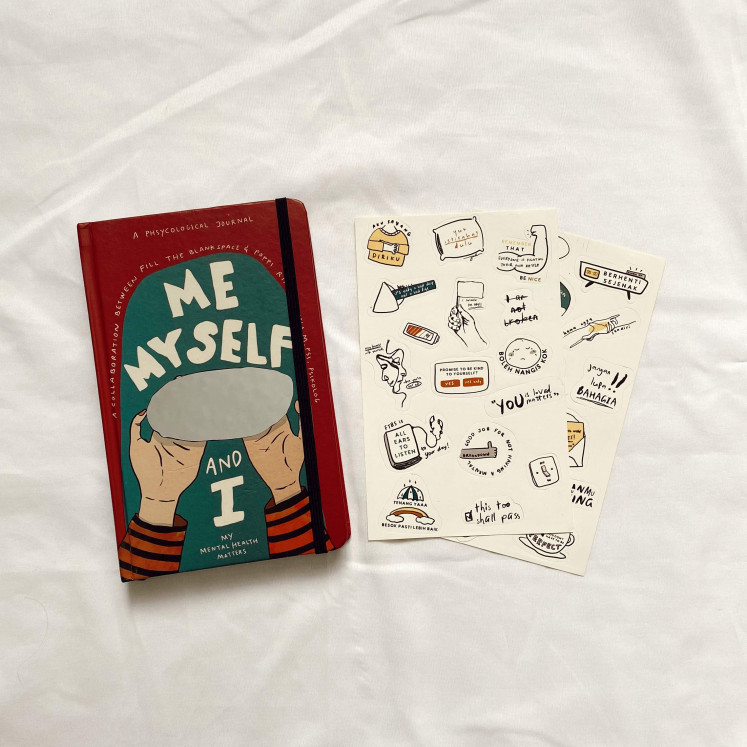
(Water Lily Literary)
I like reading books. I probably should read more than I do, but what I love even more is visiting bookstores. It’s relaxing, almost meditative.
There’s something about being surrounded by walls of books, perusing a collection of genres, discovering new authors. It’s not always about finishing the book. It’s about the possibility of it. Not only that, but it’s also about unplugging, reading from real pages instead of a screen.
Fortunately, bookstores are increasingly accessible again in Jakarta. Over the past year, as I’ve spent my weekends gallivanting across the city, I’ve noticed a growing wave of bookstores that function not just as retailers, but as curators and community spaces.
And the numbers suggest that isn’t just aesthetic coincidence or a performative act.
According to the National Library of Indonesia, the country’s Reading Enthusiasm Index has risen for four consecutive years, from 55.75 percent in 2020, to 72.44 percent in 2024. The index measures weekly reading frequency, duration, books read per quarter, as well as internet access and usage.
Jakarta’s bookstore evolution doesn’t look like a fleeting trend. It looks more like a genuine cultural response.

Thank you!
For signing up to our newsletter.
Please check your email for your newsletter subscription.
The return of the bookstore
Remember when Kinokuniya in Plaza Senayan closed down a few years back? The direction now is the opposite. Major players are expanding.
Kinokuniya opened a new branch at Central Park Mall last November, with another planned for June at Kota Kasablanka, following earlier openings at Central Market PIK in 2023 and Plaza Senayan in 2024. Each location emphasizes community programming alongside its imported book curation.
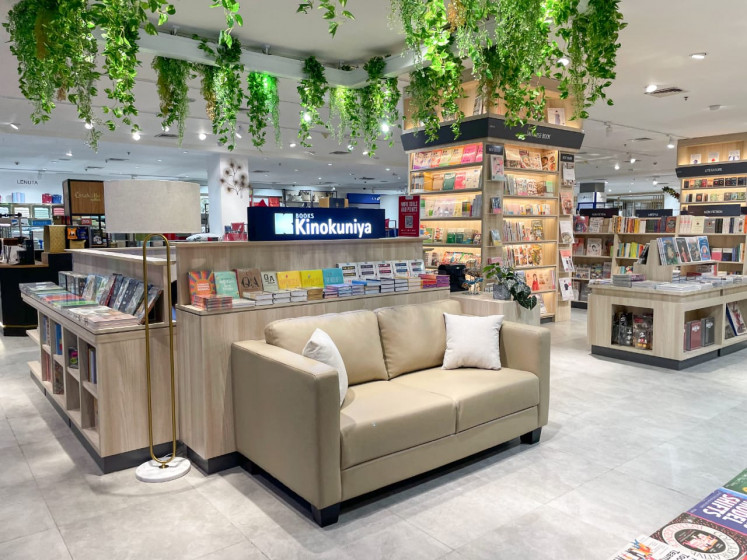 (Kinokuniya)
Similarly, Gramedia launched Gramedia Jalma in Melawai last July, positioning the store as a more relaxed, public-facing space with a stronger emphasis on international literature.
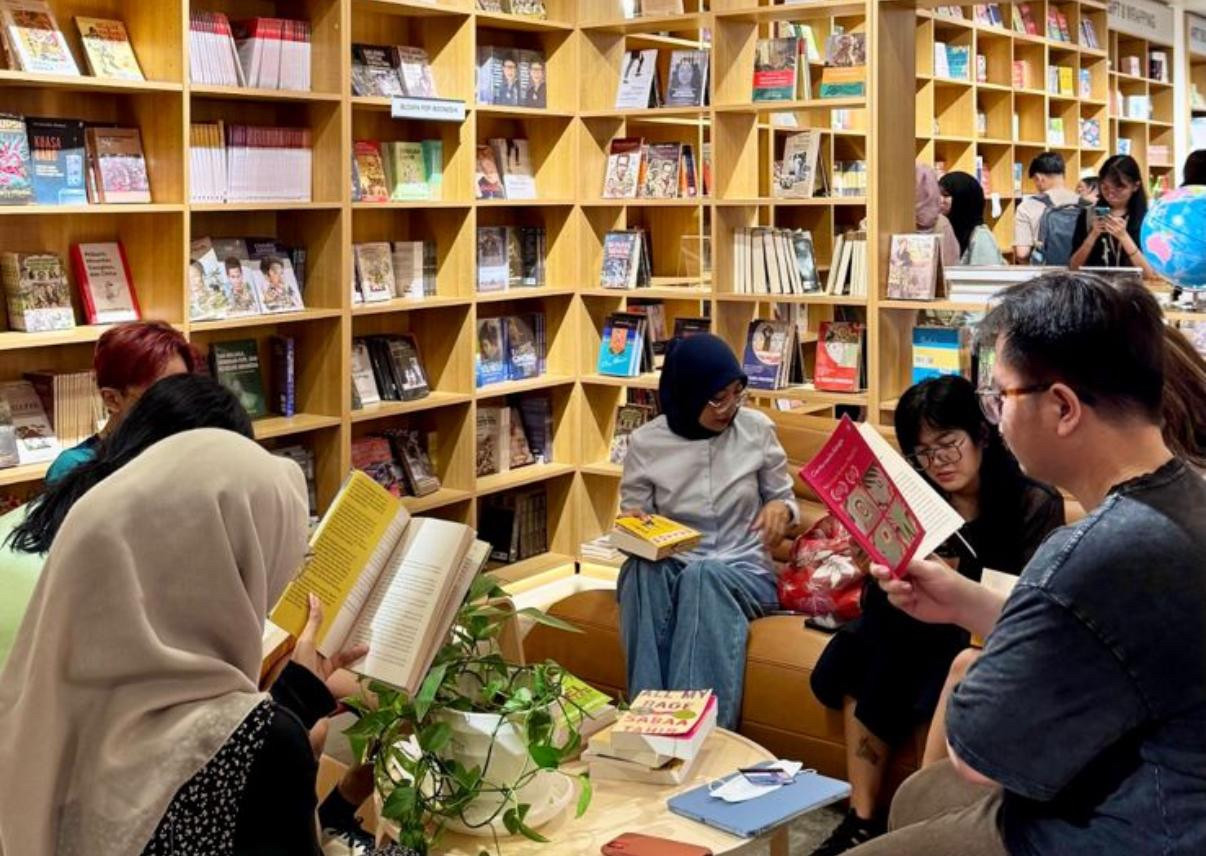
On the indie side, Patjarmerah in Central Jakarta regularly hosts packed literary events, bringing readers together for discussions and author meet-and-greets. Blooks in Blok S leans into the experiential, offering bookbinding workshops, junk journaling sessions and even a "create your podcast" event as part of its mini festival. And for something more low-key, The Transit Bookstore in Bintaro holds a weekly ‘Membaca Senyap’ (silent reading) session every Sunday.
Behind the revival
So what’s driving this resurgence? The answer, fittingly enough, is partly the internet.
Bookstagram, BookTok, and online reading communities have sent people rushing back to physical shelves. The screen, it turns out, has been working overtime for the printed page.
“We think that the interest to read has always been there, but now there's better infrastructure for access and massive exposure through online communities,” says Wedha Stratesti Yudha, international project manager at Gramedia and part of the team behind its Water Lily Literary brand, which focuses on imported titles.
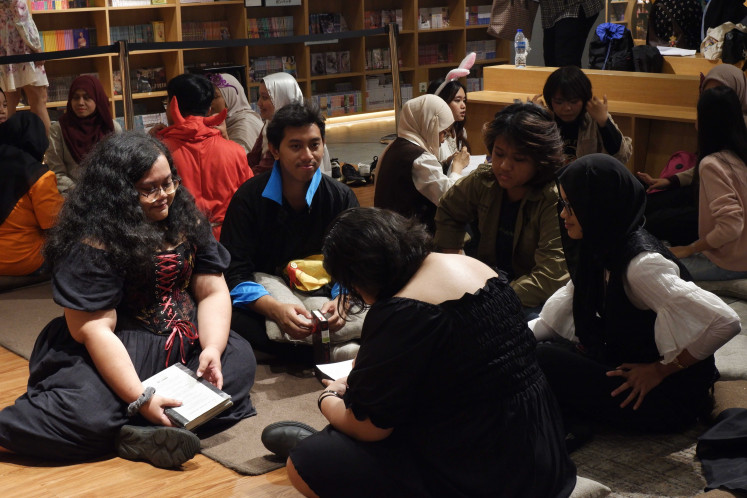 (Water Lily Literary)
Social media, she notes, has transformed discovery. Platforms like TikTok have accelerated recommendations, turning certain novels into near-instant bestsellers and fueling the rise of BookTok, a passionate reading community on the platform.
On Instagram, Bookstagram has grown into its own corner of the internet, one that pushes readers to set monthly reading goals and share their shelves.
“There’s a strong regeneration of excitement toward printed books from Gen Z,” says Handaka Santosa, president director of Kinokuniya Indonesia.
“The types of texts that they seek are widely varied. The in-demand books are coming from an array of countries, not just one place.”
While Japanese comics like One Piece remain popular, young readers are equally drawn to classics like The Brothers Karamazov by Fyodor Dostoevsky and contemporary works by Haruki Murakami.
“The trend is that there is no trend at all,” says Randy Anthony, cofounder of Patjarmerah.
“Every month it's a different type of book that's popular. From there, readers gravitate toward finding a community to share their interest.”
It becomes a positive feedback loop: A growing reading population sustains bookstores. And in return, the bookstores amplify enthusiasm.
The third-space shift
Let's be honest: part of the appeal of reading is the aesthetic of it. The right book, the right café corner, the right light and, perhaps, with the right people.
“At the core of it, we feel that there's a desire for a sort of home,” Handaka says. “People don’t want to just buy books, they want interactions. They want a warm experience.”
Despite Kinokuniya maintaining online storefronts, in-person sales still reign supreme.
“During the pandemic, our online sales rose to 30 percent of total sales. Now they hover around 8 to 10 percent. The overwhelming majority wants to get books in person,” he says. “So there should be more value in that experience.”
That value increasingly comes through the design of the space and activities hosted by bookstores.
“Our events include meet-and-greet with the authors and critical group discussions,” Handaka adds “When we offer customers these kinds of valuable insights, the goal is not about just providing books anymore.”
Wedha observes something similar at the events hosted by Water Lily Literature.
“I am quite surprised at how a lot of these kids specifically come to Gramedia Jalma to read as a group,” she says. “For my generation, reading felt more solitary, done at home with a cup of tea.”
Young readers want to share what they’re reading. They want to discuss it in real time. That shift transforms bookstores into third spaces, places that are neither home nor office but something in between, where like-minded people gather and connect.
“We think that this is an important shift because it leads to more people seeing curations of books that they’re not initially aware of, while also making it more common to connect authors with readers,” Randy says.
“When we first opened, literary-adjacent events drew around 10 people. Now we’ve had events where no more people can enter our store.”
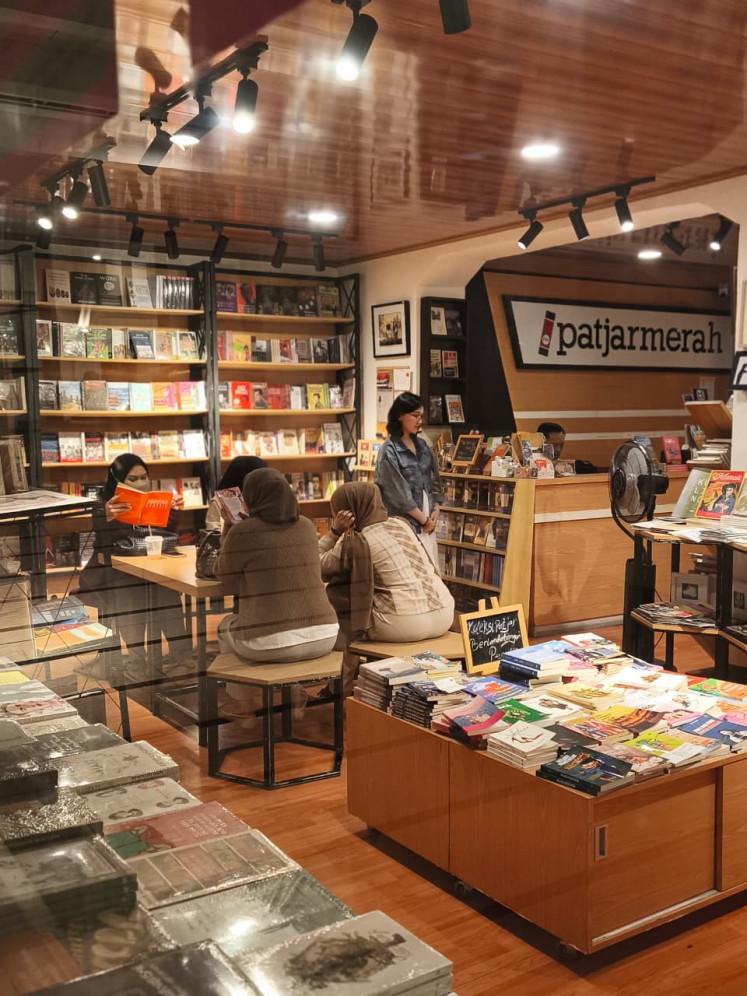 (patjarmerah)
For many of us, especially those who say, ‘I should probably read more’, bookstores offer a low-pressure way back into the habit.
Jakarta’s bookstores have morphed into a dynamic hub where you can settle in, zone out and just be, whether alone, with friends, or among strangers who happen to be reading the same thing.
And maybe that’s the point: In an age where there’s increasingly no off switch for being online, going somewhere that asks you to slow down and read can be the refuge you need, even if it’s just for a couple of hours.
Aqraa Sagir is a writer for The Jakarta Post's Creative Desk. He’s chronically online in the hope it would be a useful asset for the job.