(Shutterstock)
A classmate once stopped me mid-stride on campus, judging me as “too performative.”
“You’re a Jacob Elordi wannabe!” she called out, unprompted and unprovoked.
The assumption was immediate: I was dressing to impress a girl.
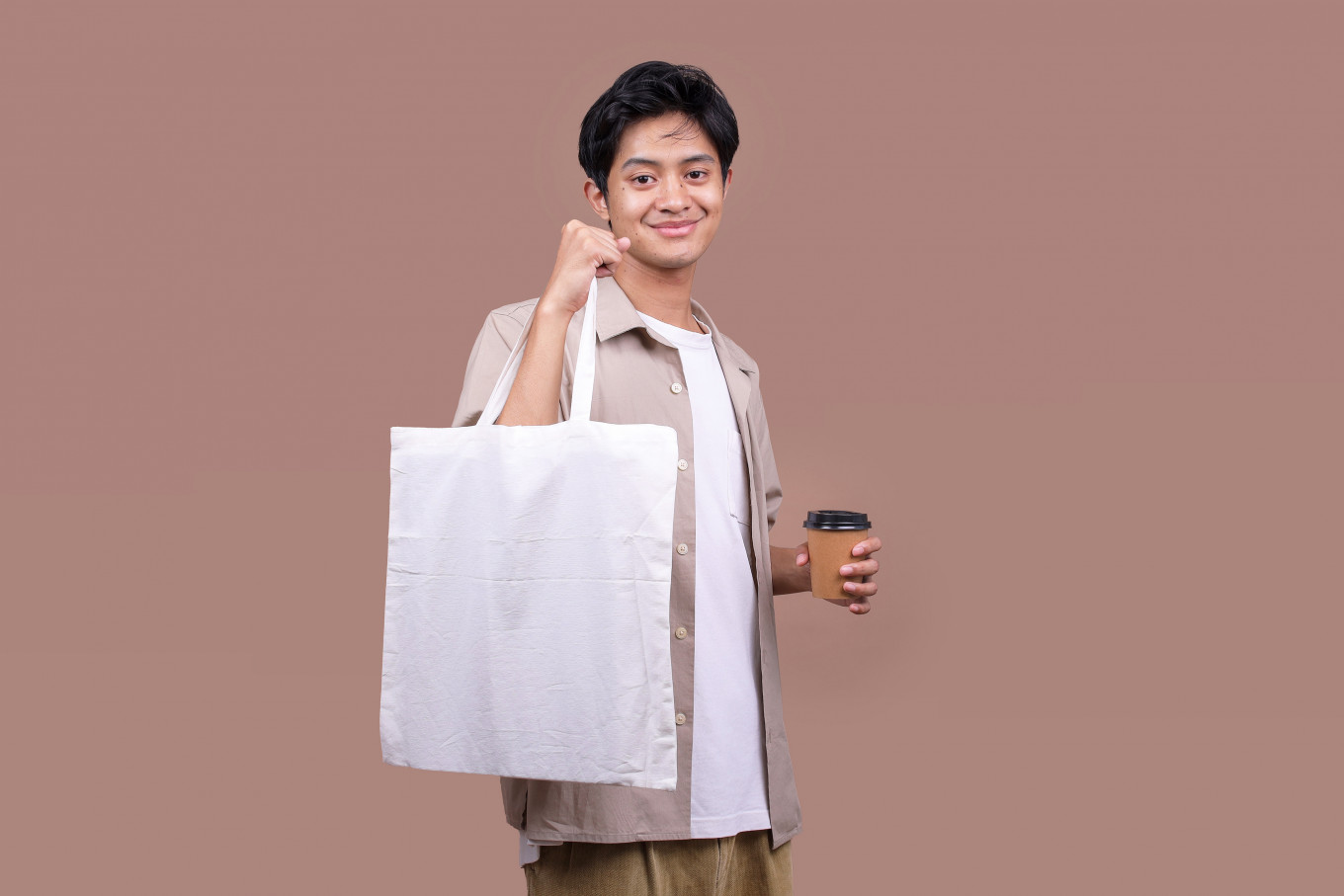
Maybe it was my cropped shirt, or the matcha in my hand, or both. Either way, she had already decided my look somehow heralded a hidden, sinister agenda.
The reality was simpler. It was just a regular weekday of not wanting my wardrobe to feel utilitarian, and good matcha needs no reason anyway.
Shifting aesthetics

Thank you!
For signing up to our newsletter.
Please check your email for your newsletter subscription.
Men's fashion has long leaned toward exaggerated masculine elements. But that's been changing.
Throughout 2025, we’ve seen the likes of stars such as Elordi with their tight-cropped shirts and baggy trousers, carrying a sleek Bottega Veneta for grocery runs.
Go back a few years and you find Harry Styles and Timothée Chalamet, with their Y2K-inspired vintage belts and Henley shirts.
The aesthetic is increasingly soft, increasingly intentional.
Yet that very intentionality—a form of self-expression—often comes across as a strategy to those who lump all well-dressed men together under one unflattering label: the performative male.
What ‘performative’ actually means
The term “performative men” gained traction through viral social media posts calling out men who adopt specific, curated aesthetics, ostensibly not for self-expression.
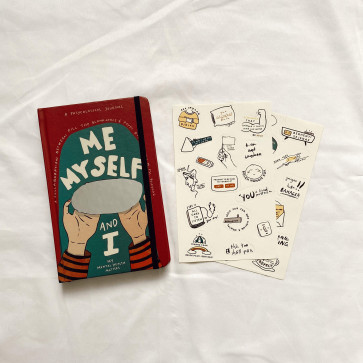
In an article, Cosmopolitan Indonesia observed that while men performing surface-level sensitivity is not new, the post-pandemic version has a specific uniform: vintage sneakers, a vaguely obscure choice of literature and a manual brew or oat matcha latte, ideally consumed in a suitably trendy-yet-progressive locale like Blok M.
By leaning into these images, the men in question are accused of weaponizing the appearance of allyship, performing softness rather than practicing it, all to appeal to the progressive female gaze in the hopes of landing a relationship or several.
And honestly, that frustration is legitimate. Many women have encountered men whose wardrobe choices were tactical, where softness was a costume worn on the way to a first date and then folded back into the drawer.
"Finding peace is a rare feat today, which makes finding a compassionate and soft-hearted companion more valuable," says Amanda "Gege" Prihutomo, a fashion expert from BINUS University.
The appeal of the hyper-masculine persona is fading, replaced by the soft-looking man who provides genuine emotional reassurance. "Character comes from the person, but fashion is the container to communicate it," she adds.
That's the real sting of performativity. It's not the cropped shirt. It's the gap between what a man wears and what he actually is.
What of genuine self-expression?
Here's where the accusation gets less clear-cut.
Clothes and fashion are, in essence, a tool to communicate. They are a negotiation between how we see ourselves and how we want to be seen.
This is not unique to men in cropped shirts. With their tight shirts and gold chains, the Alpha Male projects power and masculinity, while the Finance Bro’s Ralph Lauren quarter-zips hint at subtle sophistication and wealth.
“Regardless of sexuality or intention, fashion is a tool to impress. You don’t need to be cool, just understand your value,” says Dr. Dicky Maryoga Hutadjulu, a fashion expert from BINUS University.
“There are no boundaries between male and female fashion anymore. You can dress up to attract others, or you can do it for yourself. Just be responsible.”
Reducing someone to their clothing choices flattens all of that complexity. Identities are fluid, especially as we move through different stages of life. What reads as performative can just as easily be experimentation. Or genuine preference. Or a man who simply discovered he liked oat matcha and isn't sorry about it.
 (Shutterstock)
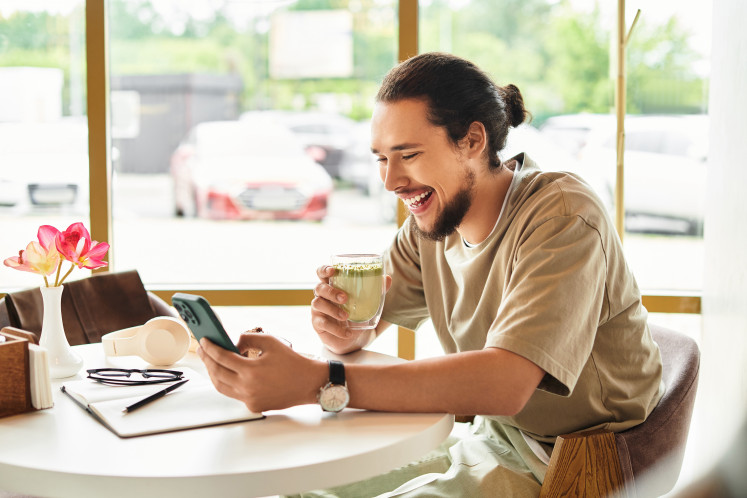
I can’t speak for the men whose sartorial choices are shaped for the Tinder crowd, but I chose the cropped shirt because of how it fits. I chose the matcha because I like the taste. Neither was a strategy.
A new vocabulary
The deeper issue is that society is still catching up to a new vocabulary for masculinity.
For a long time, men expressing softness, in fashion or otherwise, were treated as suspicious. Something to explain away or be embarrassed about. Now that it is visible and increasingly mainstream, the discomfort hasn't disappeared. It's just been redirected into a new accusation: performativity.
If we want men to explore and embrace softer expressions of masculinity, perhaps there should be space for understanding rather than accusation. Not every man in a nice outfit is running a scheme. Some of them just got dressed.
After all, the world isn't always as simple as a capsule wardrobe. Neither are the people wearing one.
Ainur Kiki is a contributor at The Jakarta Post and a full-time coffee nerd. His biggest dream is to direct a big indie film in the near future.