(Shutterstock)
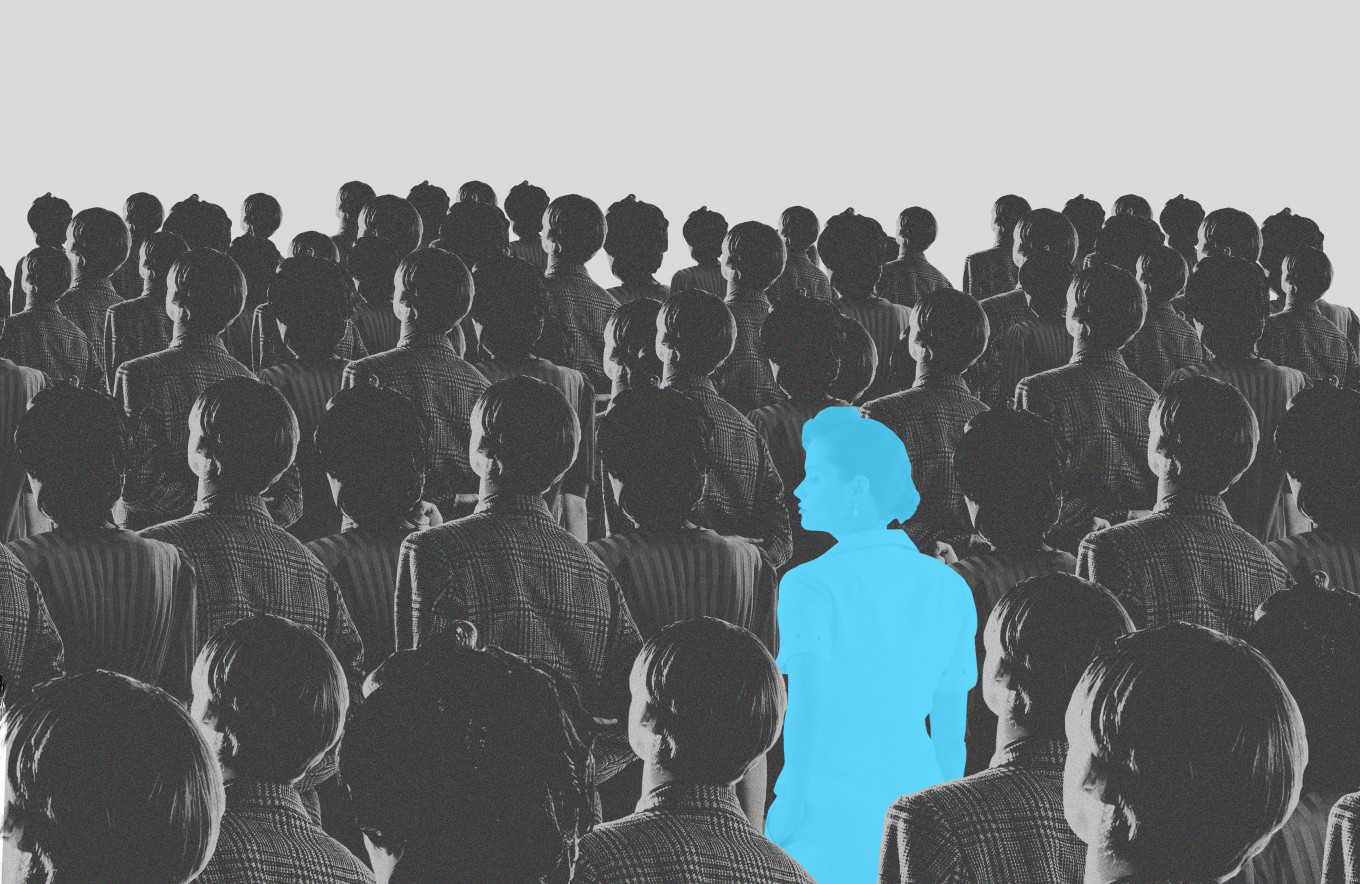
We all know someone who is, or has been, a pick-me girl. Maybe we were her.
The term gets thrown a lot now, mostly as an insult aimed at women who seem a little too eager to separate themselves from other women. But the phenomenon behind it is older and more complex than any TikTok callout suggests.
Growing up under the patriarchy, many women learn that the safest, most rewarded version of themselves is the one that men approve of. Some of us, with varying degrees of awareness, make that approval our whole personality. That was me.
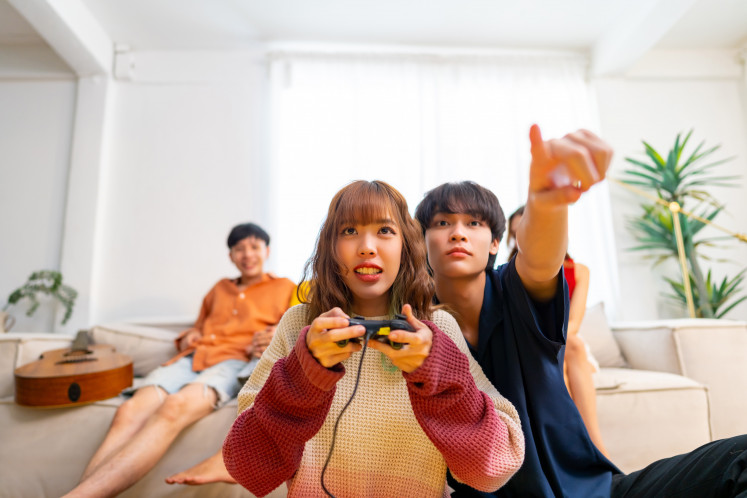
As a teenager, I prided myself on being different from other girls. I liked violent video games, not romance novels or boy bands. I wasn’t dramatic. I didn’t gossip. I wasn’t complicated, not like typical girls. I felt cool and proud.
It took me years to understand that what I felt as confidence was actually something else entirely.
It stems from misogyny

Thank you!
For signing up to our newsletter.
Please check your email for your newsletter subscription.
Pick-me girls are women who distinguish themselves from other women, sometimes by demeaning them, in order to get male validation. They suppress parts of themselves and build an image calibrated to meet what society tells them men want.
Their critics often say behavior comes from internalized misogyny. That’s not just a buzzword. Internalized misogyny is when women subconsciously absorb and accept sexist values, and then turn those values against themselves and other women.
A 2022 study by Rosida et al. analyzing pick-me content on TikTok found that because women are so frequently characterized with negative traits, such as being submissive, emotional and dependent, many feel driven to distance themselves from those labels by putting other women down.
“Essentially, internalized misogyny will affect our self-expression,” says Ikhaputri Widiantini, an academic and feminist known as Upi.
“We might overlook this aspect, which makes self-expression performative for the sake of others’ validations, especially men’s.”
At its core, it pushed women to curate a persona.
“Women might repress what they want, their ambition, emotion and criticism in exchange for something more beneficial: the chance to be picked.”
The masks we wear
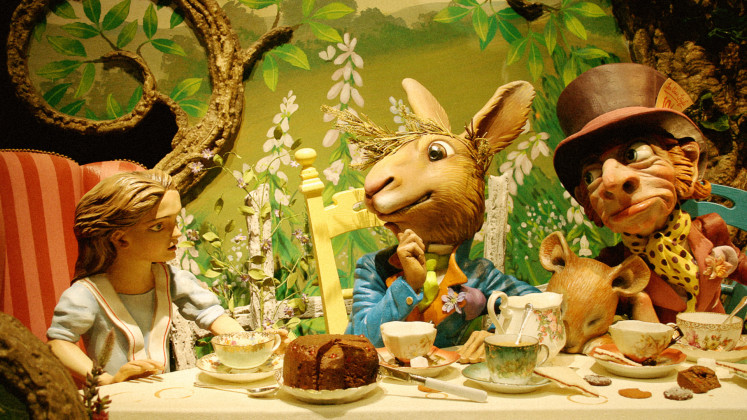
In my experience, I didn’t just suppress the parts of me that I thought were undesirable. I amplified the ones I thought were acceptable. As a pick-me, every bit of self-expression became overcalculated.
Khalisa, 21, a self-admitted pick-me girl up until her college years, knows exactly how it works.
“My personality depended on the situation,” she says.
“When boys around me liked ‘cool’ girls, I acted tough and pretended to share their masculine interests. When the men I was trying to impress were more conservative, I dressed more modestly, spoke more softly and pretended to get scared easily.
“I struggled to find my authentic self because I was whoever the man I was trying to impress wanted me to be.”
 (Shutterstock)
Another ex-pick-me, Kim (not her real name), 23, had a complicated relationship with femininity for years, having boxed herself into the identity of a tomboy and “one of the boys”.
“I hated doing anything that I considered girly. For example, I once got dressed up femininely to be an MC for an event. I loved how I looked at the moment,” she says.
“But right after the show, I looked at myself again and hated what I saw.”
Consciously or not, the pick-me persona comes at a cost.
A woman living inside that performance gradually loses touch with herself, her own wants buried under layers of what she thinks she’s supposed to want. The confusion that follows is real.
“If a woman’s self-expression only becomes an act of negotiation for acceptance, she will never understand what she wants,” Upi says.
“She’ll always place herself as an object to be judged. She’ll only feel secure in select situations. She’ll never build true confidence.”
A pick-me girl is likely struggling with an identity crisis without even realizing it.
Choosing yourself
To me, the pick-me girl persona is a mask worn by women who haven’t yet found true security in their sense of self. Being a pick-me isn’t the finish line; it’s square one. The question is: What comes next?
The first step is understanding.
For me and the other women I spoke with, encountering the concept of internalized misogyny marked the beginning of a longer self-reckoning.
Once we could see what our environment was demanding of “good” women, we could start examining which parts of ourselves were genuine and which ones had been curated for external praise.
Take a woman who was told she had to be married before her late 20s—otherwise, she’s considered undesirable. Once she identifies where that belief came from, she can ask herself whether she actually wants that, separate from everyone else’s expectations.
The harder part comes next: Choosing what we truly want over the validation of men, even when that validation has always felt like safety.
This means making room for self-expression, even when others might find it embarrassing or inconvenient. It can be as significant as pursuing ambitions that don’t fit the “good girl” mold, or as seemingly small as finally letting yourself love the “cringey” girly things you actually enjoy.
Sometimes, acknowledging not knowing what you want is also necessary. It’s okay not to know, the journey is about discovering what you want.
After I understood my own internalized misogyny, I overcompensated by leaning hard into femininity. Then I found out that I genuinely didn’t like most girly things. That sent me into a new spiral: Was I still a pick-me for disliking feminine things?
The answer, I eventually realized, is that it doesn’t matter, as long as the choice is actually mine.
Those compliments we chased were never a real measure of our worth.
“Those praises weren’t given to uplift you as a person,” Upi says. “They were given to demean women as a whole. When someone is praised for being different from other women, it’s not because she’s exceptional. It’s because others used her to strengthen the stigma against women.”
This is why discovering and prioritizing what you want matters more, because no one else will do it for you.
“People didn’t see her success, only how she is ‘one of the good ones’. This makes women unable to understand what makes her valuable, or what part of herself she can take pride in,” Upi adds.
And that’s just scraping the surface of the identity iceberg.
The need for solidarity
Here’s the irony: You can’t entirely find yourself alone.
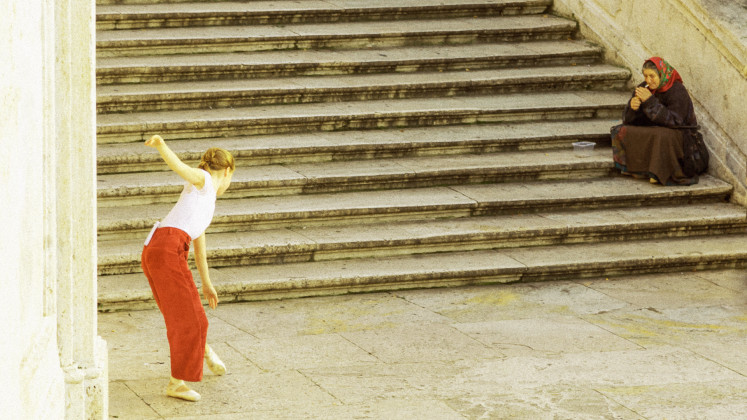
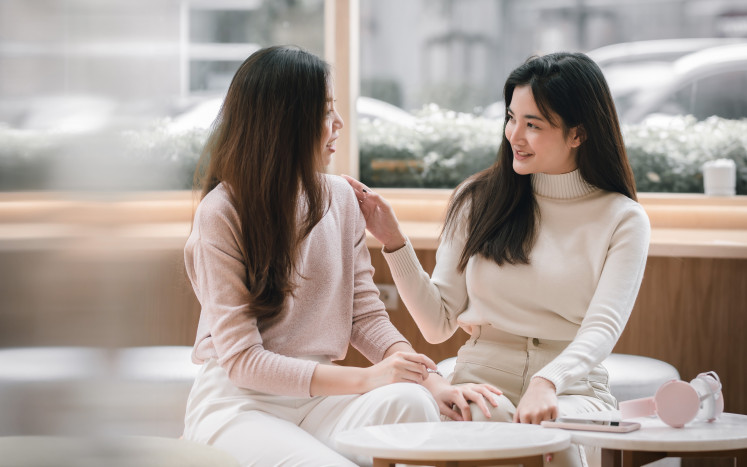
Having the freedom to be ourselves can feel disorienting, like standing at a crossroads with no signs. We rely on other women, their experiences and their honesty, to understand our own potential and where we might go next.
 (Shutterstock)
“In a world full of standards for women, the only way to find ourselves is to have dialogues and listen to other women’s experiences,” Upi said.
“Not to compare them with ours, but to understand how narrow our worldviews have been, so we see broader options in life.”
Which is why what women do to each other in the name of calling out pick-me girls matters.
“When a woman calls another a ‘pick-me’, she’s comparing herself to her, which is similar to what the so-called ‘pick-me’ does,” Upi said.
“This chips away at women’s solidarity because we’re prioritizing competition over fighting for our own autonomy.”
The goal, she says, isn’t to become the most politically perfect version of a woman. It’s to keep reflecting, which in turn expands the safe spaces available to all of us.
Right now, I don’t think pick-me girls are included in those safe spaces. They’re often treated beyond help, painted as brainwashed, their capacity for growth dismissed.
I’ve been on the other side of that judgment, and I know how little it helps.
What helped me, and what I believe we can help others, is grace. The understanding that pick-me behavior isn’t a character flaw, but a response to being subjects of the patriarchy, an adaptation to an environment that made it feel necessary.
What we can give is empathy, because just like us, these pick-me girls have always been more than their attention-seeking persona. Given time, patience and the right conversations, the performance falls away.
What’s left, it turns out, was always there.
Siti Syafania Kose is a writer with a soft spot for art, history and all things humanities. They're a self-proclaimed nerd who accidentally became a gym jock, and now lives somewhere in between.