(Penguin Books Limited)
As I prepare to bring a new life into the world, my mind was initially full of excitement, but it has since given way to growing anxiety. Becoming a mother has always been my ultimate dream, yet when I found out I was pregnant, I was still taken aback.
I felt strange and unprepared. What do I need to prepare myself for? Will I still be able to chase my other dreams once I have a child?
I realized I lacked not only the knowledge but also the vocabulary, the proper language to describe what it means to suddenly undergo this transition and face the new world I am about to enter.
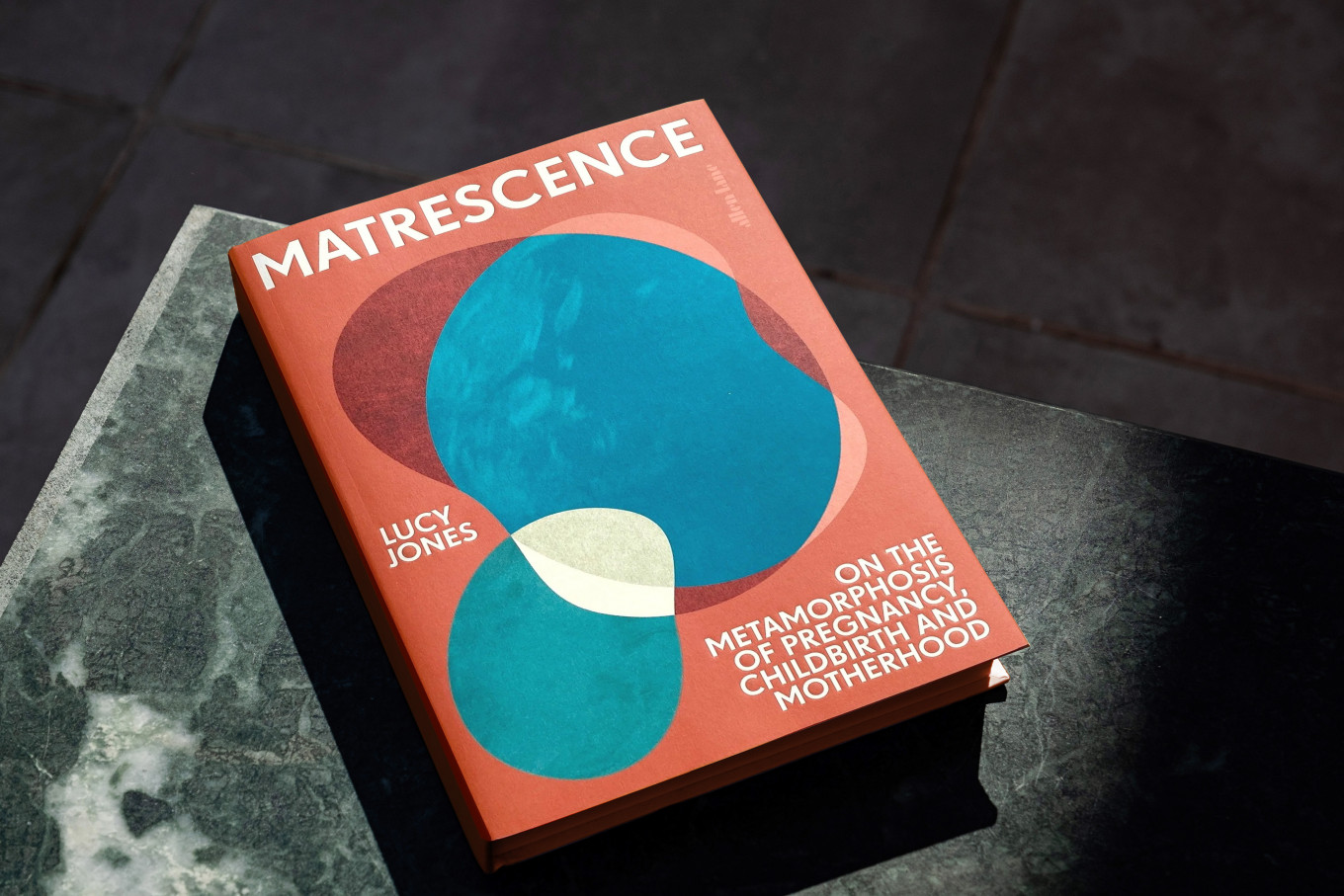
These complex emotions are captured in Lucy Jones' Matrescence: On the Metamorphosis of Pregnancy, Childbirth, and Motherhood (Penguin Books, 2024). Grounded in scientific research and literature on motherhood, this essay collection dissects and challenges the long-held beliefs and practices that disproportionately affect mothers.
The weight of doing it ‘right’
Jones invites us to reflect on the excessive glorification of "natural childbirth", which often leaves mothers under immense mental pressure to conform to an "acceptable" birthing plan in order to be seen as "real mothers," all without being fully informed of the quality and type of care they deserve.

Thank you!
For signing up to our newsletter.
Please check your email for your newsletter subscription.
The paradoxes of breastfeeding further illustrate this pressure.
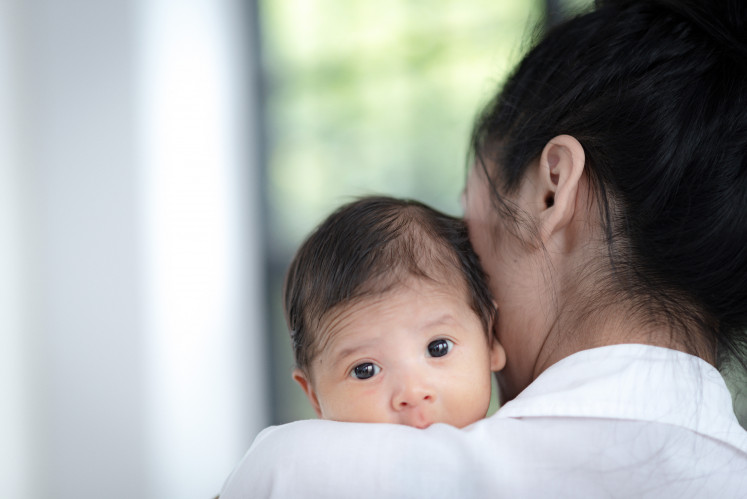
Women are encouraged to breastfeed directly yet are heavily scrutinized and subject to harassment due to poor public infrastructure and policies, especially working mothers. At the same time, women who struggle with direct breastfeeding are guilt-tripped and labeled "lazy" or "inadequate".
 (Shutterstock)
These are just a few of the growing list of burdens that mothers are made to bear. Jones argues that more attention, including more clinical studies, should be directed toward feeding support broadly, to better serve women who face both physiological and psychological barriers to breastfeeding.
What pregnancy does to you
Another subject that resonates with me is the changing state of mothers' brains. Jones' investigation suggests that a mother's brain tends to show increased plasticity, better attuned to detecting threats and dangers, essential for nurturing and protecting a baby.
I personally see this as a wonder of pregnancy: We are given a bodily mechanism that allows us to adapt and acquire innate survival skills.
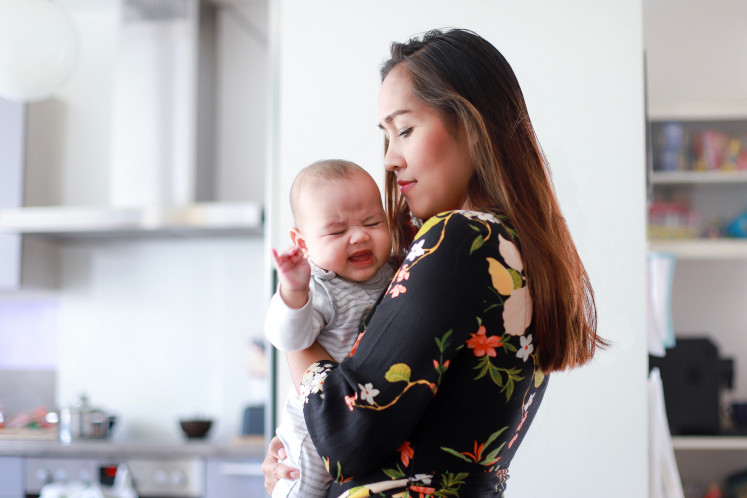
This plasticity, however, comes with greater sensitivity to stress. After hours of crying infants and sleepless nights spent trying to soothe an upset newborn, mothers may lose their sense of autonomy, feel increasingly isolated and experience growing feelings of inadequacy, an issue Jones argues everyone should take seriously.
She also underscores sleep deprivation as a serious yet rarely discussed problem. While public health campaigns often promote the importance of sleep in preventing serious physical and mental illness, this message is rarely emphasized strongly enough for mothers. The lack of established procedures and intensive sleep care only amplifies the mental health struggles new mothers face.
I used to hear my friends talk about sleep loss while attending to their babies and somehow accept it as an unavoidable part of early motherhood. Now, as a soon-to-be mother myself, I find it both funny and upsetting that we have sleep training and intervention for babies, but none for mothers, who are just as vulnerable.
Motherhood is bigger than one woman
The core of Jones' argument is that motherhood is an ecological issue. In line with her background as a science and nature writer, each chapter opens with a description of maternal transformation through ecological lenses: volcanoes, the aurora borealis, the moon, spiders that feed on their mothers.
Through these depictions, Jones shows that motherhood is not the work of individual women alone, but the result of interactions among the environments surrounding them, partners, workplaces, parents, policies, infrastructure and health care.
Motherhood is an entire ecosystem, powerful and vulnerable at the same time.
 (Shutterstock)
Matrescence rejects the romanticized view of motherhood wherein painful experiences, the intensive labor of care and one-size-fits-all policies are treated as normal. It condemns the capitalist view of parenthood that forces parents to choose between working and attending to their children's needs, at a time when staying afloat is a constant struggle and accessible child care is rare.
It offers a bold reminder that women's bodies are heavily under-researched, and that the mental and physical states of mothers should not be overlooked if we are to build a prosperous and well-educated society.
Most of all, it is a call to action, for more precise language to capture the nuances of motherhood, for government and institutions to invest in research and infrastructure that support mothers and families, and for each of us to embrace our own journey by staying attuned to our transformation, rather than relying on others' assumptions or unrealistic standards.
Motherhood, Jones reminds us, is both a political and an economic issue. And therefore, everyone's business.
Nindya Soraya Dharma is an adjunct instructor in English for Academic Purposes at the University of the People who loves getting lost in a good book. These days, she’s also embracing the adventure of being a new mom.