(Shutterstock)
Let’s be honest: The apocalypse no longer feels theoretical.
Every time I open the news, it’s nuclear tension here, climate catastrophe there, Western Europeans receiving pamphlets on how to survive the first 72 hours of war. Forest fires. Floods. Earthquakes. Global elites unraveling the social contract like fast fashion.
Life as we know it—clean water from taps, lights that turn on with a switch, digital maps, food delivery arriving in under 30 minutes—could simply stop. It won’t be just a blackout; it’ll be permanent. Phones would become bricks. Netflix would be a myth. And suddenly, "off-grid" wouldn’t be a rustic vacation aesthetic; it would be reality.
And that’s when it hits me: If society collapses, I will not make it.
I know this because of Mount Gede.
Birthday catastrophe
Thank you!
For signing up to our newsletter.
Please check your email for your newsletter subscription.
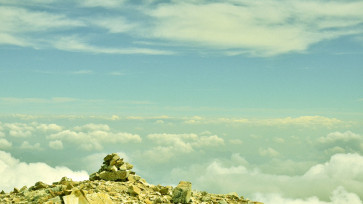
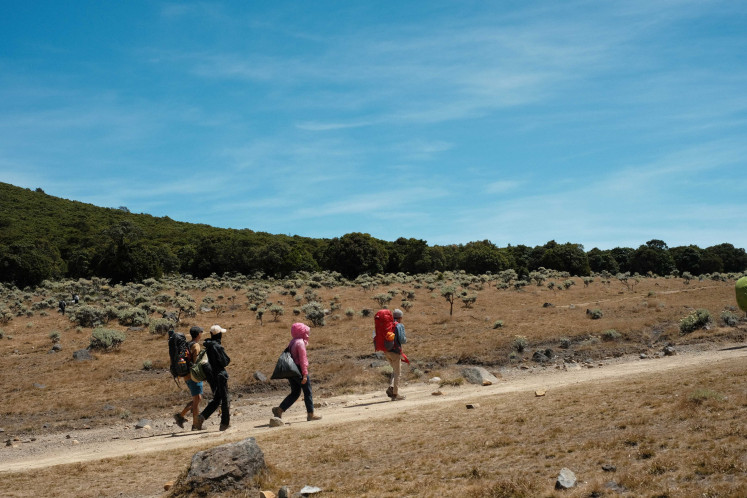
Last year, for my 35th birthday, my boyfriend and a group of friends took me hiking up Mount Gede. It was meant to be fun. Instead, it was humbling.
 (Shutterstock)
My knees and feet swelled. My whole body ached. Every injury I’ve collected since my late 20s—on my hip, neck, shoulders—resurfaced. I became a burden for everyone. Not only did I cry all the way back down, but we were also forced to spend an extra night on the mountain because I slowed everyone down.
That night, instead of soaking in a hot bath in Puncak to celebrate turning 35, I lay flat on the cold, hard ground, staring at the tent ceiling, aching everywhere. I felt bad for my friends and was still worried about how I would walk down the mountain with my wobbly knees the following morning.
Because of that experience, I realized that in a real apocalypse scenario, I would be among the first to go.
If the grid goes down in my lifetime, will I be ready? Or will I be that girl crying on Day Two while everyone else is building a fire?
To soothe my spiraling brain, I turned to what I do best: I made a to-do list.
Because if I’m going down, I’m at least going down organized.
The first 72 hours
Every survival guide agrees: The first three days are crucial. That’s when you either stabilize or become a cautionary tale.
So yes, you need a grab-and-go bag. And no, it cannot be your Rimowa.
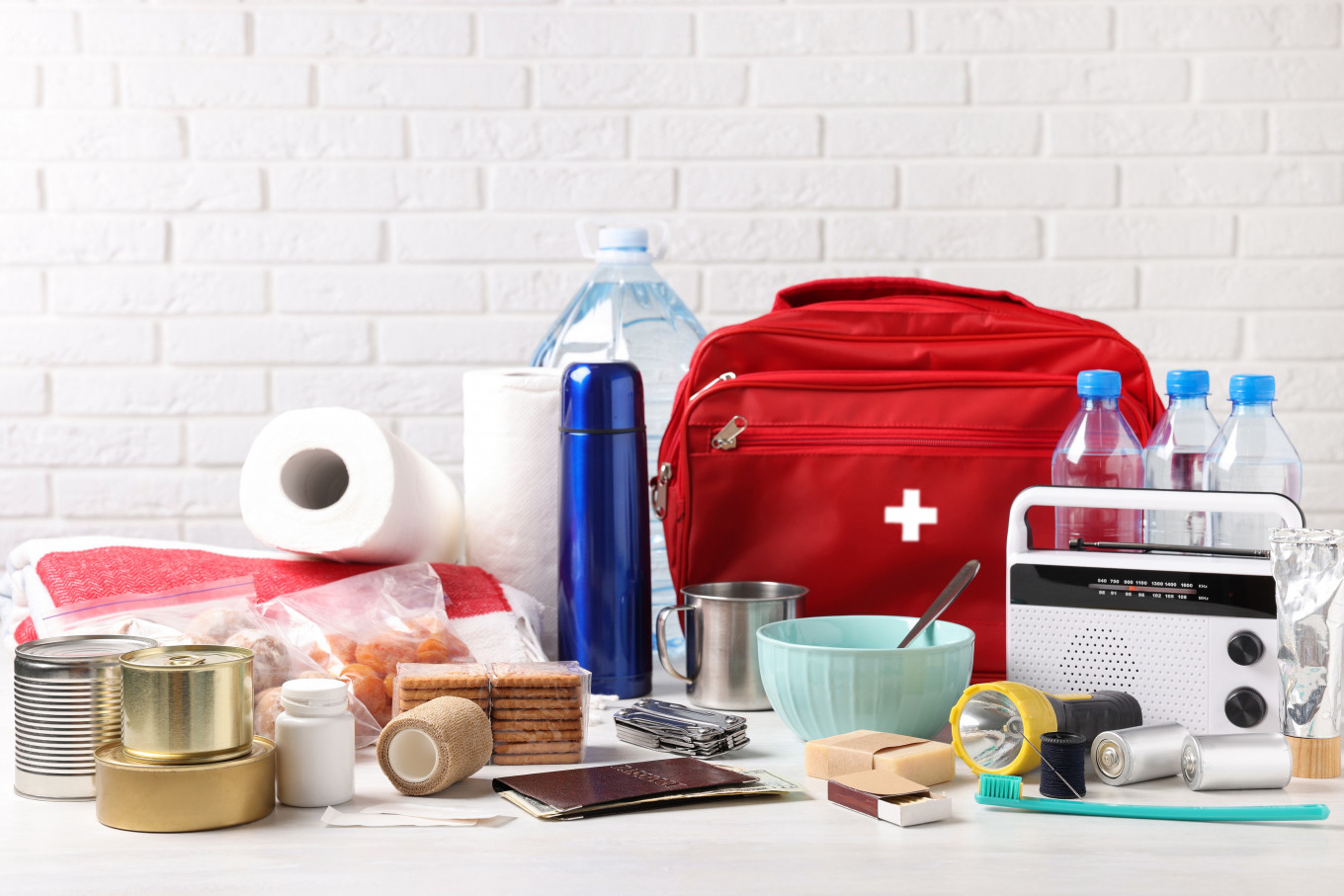
Water: At home, you’re supposed to stock four liters per person per day. In reality, if you’re fleeing, you cannot haul Aqua gallons like you’re restocking a kos-kosan.
Solution: one or two bottles plus a portable water filter. Camping shop chic, but make it life-saving.
Food: High-calorie bars. Canned fish. Canned meat. Things that survive longer than your last situationship.
Add a butane gas canister, a small camping stove and portable cooking kit. Because if we’re foraging, we’re at least sautéing.
Medication: Check your first aid kit. Stock on paracetamol, antibiotics, antiseptics, rubbing alcohol, bandages and vitamins.
And maybe, while you’re still on Wi-Fi, learn how to treat a wound without Googling “is this septic?”
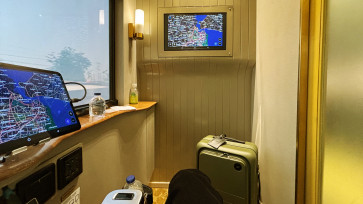
Navigation & Tools: With no electricity, much less Wi-Fi, think printed maps and a hand-crank radio. Add a flashlight, extra batteries, rope, matches and a Swiss Army knife.
Also, please relearn basic knots. Your Grade 5 Pramuka training cannot be your only skill set.
Clothes & Shelter: Gore-Tex shoes are not just for coffee runs in SCBD. Bring windbreakers, warm layers, extra underwear and, for women, sanitary pads.
And yes, a tent and sleeping bag. I’ve tested the tent floor experience. It builds character. Not comfort.
ID & Cash: You will need an exit strategy and trading power should you need to flee the disaster epicenter. Your passport shouldn’t be expiring in the next year or two, and it would even be more useful with several visas.
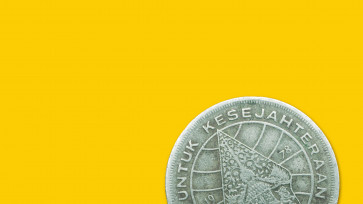
Cash, ideally in a stable currency. Gold bullion if you’re feeling dramatic.
Post-apocalyptic survival
Let’s say the worst has happened. Borders are irrelevant and banks are gone. It’s you, your rucksack and your questionable stamina.
This is where Mount Gede haunts me.
1. Fix your body before the world ends
In an off-grid world, your body is your main asset. Unfortunately, mine currently operates like a mid-tier sedan overdue for servicing.
If you’re unfit, instead of surviving the doom as a baddie like Lara Croft, you’d end up as the main course for post-apocalyptic cannibalistic tribes!
So build muscle and reduce fat. Add squats for stronger knees and long runs to improve your stamina for all the walking and hiking you’ll be doing in the post-apocalyptic world. Think less “marathon for Instagram,” more “run from predator energy.”
 (Shutterstock)
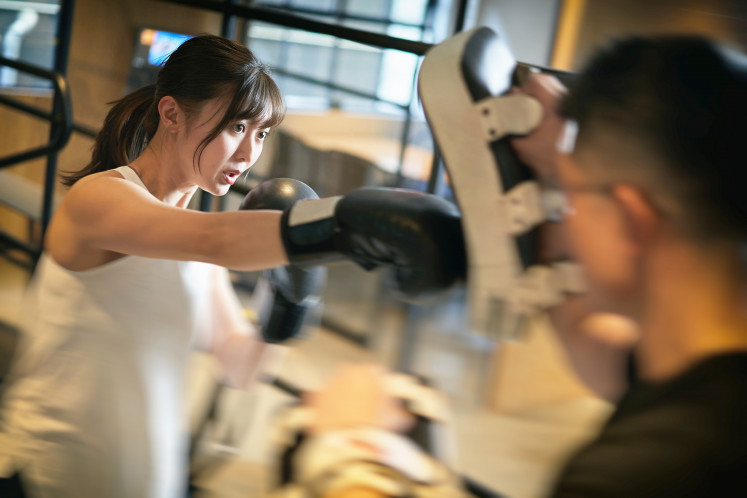
Also, maybe swap one Pilates session for Muay Thai. Because statistically, women become easy targets in disaster zones. I would like to at least throw one decent elbow before perishing.
2. Knowledge is the real currency
In a world without Google, you need to know which mushroom feeds you and which one ends your story.
Learn basic foraging. Learn how to identify safe water sources. Learn how to build shelter that doesn’t collapse in mild wind.
And perhaps most importantly, develop situational awareness. Know when to trust your gut. Know when to leave. Know when that “friendly survivor” is giving cannibal vibes.
Better prepared than not
The prospect of societal collapse is terrifying. But right now, we are still reading this from a sofa, with electricity and clean water and maybe a strawberry matcha within reach. That’s the real luxury.
So maybe apocalyptic prepping isn’t about becoming Lara Croft overnight. Maybe it’s about slowly reducing the chances that we’ll be the first to cry on the mountain.
The world may or may not end in our lifetime. But until then, we can at least train our knees, stock some canned sardines and learn a proper knot. Transform from damsel in distress to mildly prepared baddie.
And if the apocalypse does arrive? At least I won’t be surprised on Day One.
Gisela Swaragita is a Jakarta-based writer, editor and translator with an addiction to sensory adventures, from music and film to travel and food. When overly stimulated, she loves cooking and singing in the shower.