(Shutterstock)
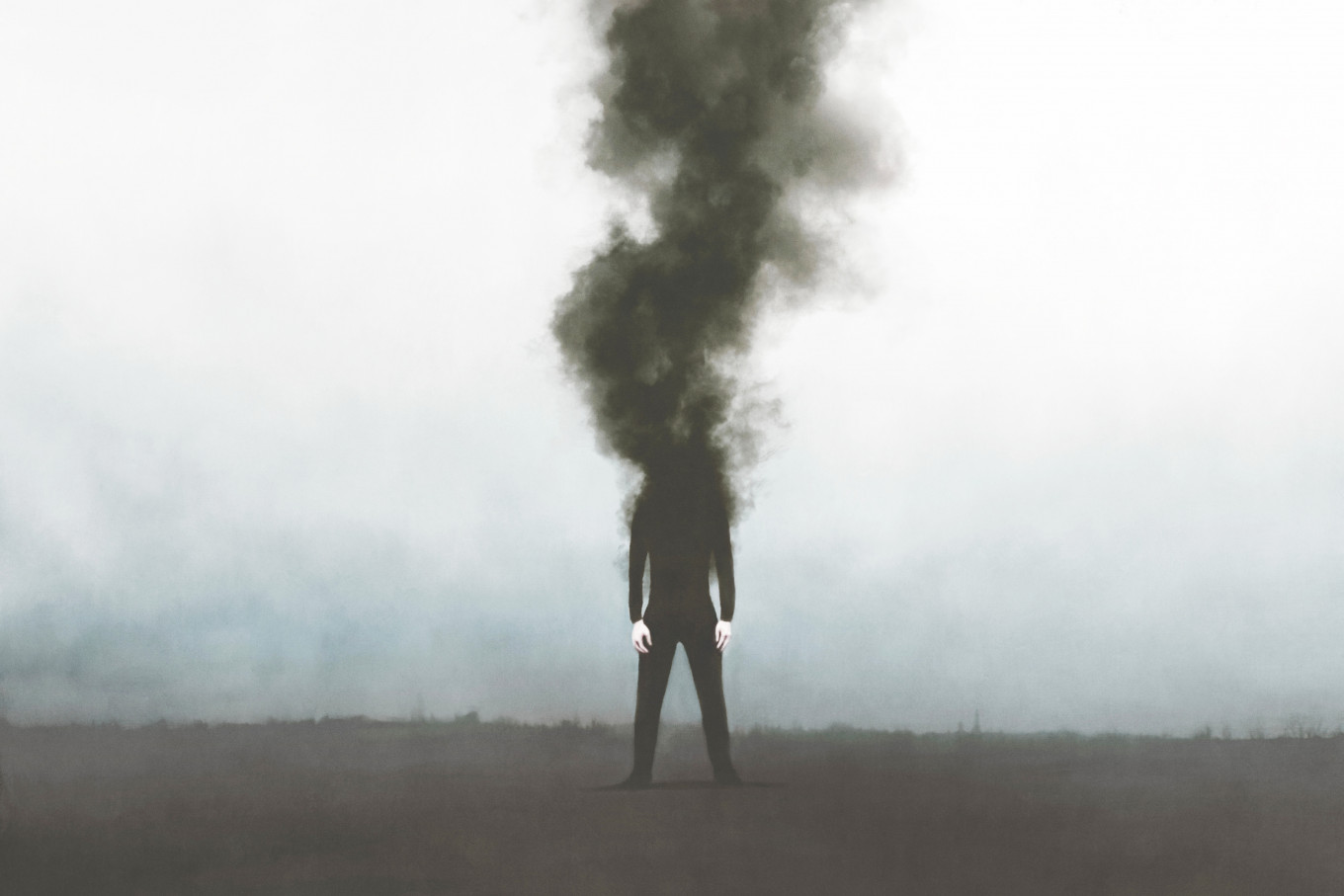
After a very tiring week last month, I told myself I needed to take better care of myself. Somehow, that simple decision made me feel even more tired.
It was Friday night. My body felt heavy and my mind was stuck on a loop of unfinished tasks. OK, I thought, this weekend I’ll reset. I’ll sleep early, journal and fix my routine. So I opened social media to get some ideas.
Within minutes, I was watching videos of people waking up at 5 a.m., making lemon water and stretching in clean, sunlit rooms. Skincare products were lined up neatly on white tables for their daily routine. They had long captions about healing, growth and “doing the work”. Everyone looked calm and in control.
Instead of feeling relaxed, it made me feel like I was already behind.
Self-care is supposed to help us rest. But lately, it feels like just another thing we have to do right.
Pressure to heal
Thank you!
For signing up to our newsletter.
Please check your email for your newsletter subscription.
In many ways, it’s good that we talk more about mental health now. People acknowledge burnout. Therapy is more normalized. Taking a break is no longer seen as lazy.
But alongside that progress comes a new kind of pressure. Now we’re not only expected to work hard, but we’re also expected to heal properly, too.
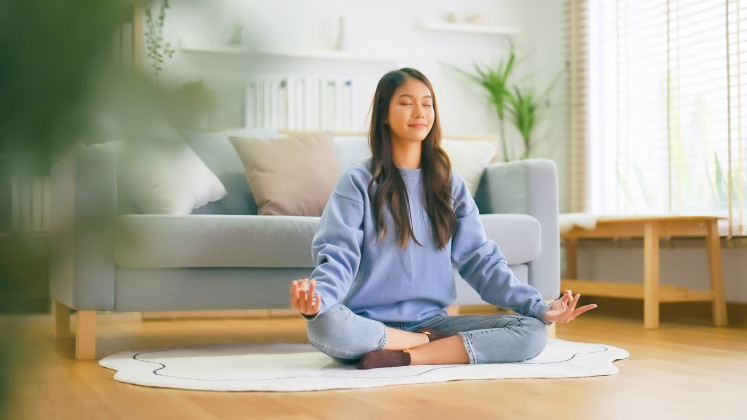
Drink enough water. Sleep eight hours. Journal daily. Exercise regularly. Cut negative habits. Improve slowly but consistently.
 (Shutterstock)
It all sounds healthy. But when all of that is added on top of work, family, friends and daily responsibilities, it becomes overwhelming. Healing turns into another task on our long to-do list.
I started to notice this in myself. If I skipped journaling for a few days, I felt guilty. If I spent a whole evening watching a show, I told myself I could have used that time “better”. If I rested without doing something productive, it didn’t feel valid. Even my breaks needed to have a purpose.
The strange part was that I was trying to recover from burnout using the same mindset that made me exhausted in the first place. I was constantly measuring my rest, judging it and figuring out how to improve it.
Rose-tinted screens
Social media makes this harder. We don’t just take care of ourselves privately anymore; we watch how everyone else does it, too.
The problem is, we only see the tidy, polished parts. We see their clean and consistent routines, steady progress and balanced lives.
What we don’t see are their messy rooms, the workouts they skip or the mornings they struggle to get out of bed. We only see the finished version, not the in-between.
But when we keep looking at those finished versions, comparison creeps in. Why am I not as consistent? Why don’t I wake up that early? Why doesn’t my rest look like that?
Slowly, self-care becomes less about what we actually need and more about how we measure up.
 (Shutterstock)
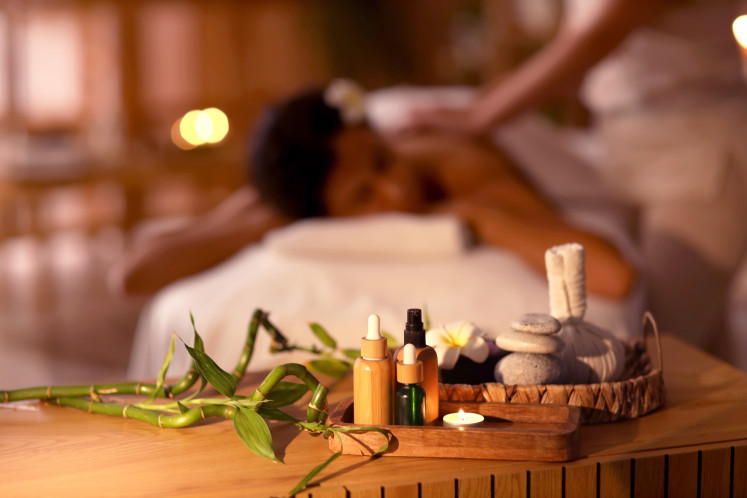
There’s also the business side of it as the wellness industry keeps expanding and our algorithms feed us the latest product, planner or routine, promising to reduce stress or improve focus.
There’s nothing wrong with buying things that genuinely help, but it’s easy to start believing that we’re just one more habit away from finally feeling OK, as if calm is something we can unlock.
Rest without rules
What I’m realizing is that real rest is a lot simpler, albeit much less exciting, than we make it out to be.
Sometimes it means letting yourself nap and not worrying about when you’ll wake up. Sometimes it’s a slow walk just to enjoy being outside, not to hit a step goal. Sometimes it’s turning down plans and not feeling guilty or needing to explain. And sometimes, it’s doing nothing at all.
More often than not, that’s enough. No tracking, no sharing, no need for a plan to get better.
The moments that really made me feel at peace weren’t the ones I could capture for social media. They were the small, everyday ones: Sitting outside as the day winds down; laughing with a friend, not even thinking about my phone; lying in a messy room and letting it be.
Nothing dramatic happened, but I felt lighter.
Maybe that’s what we’re missing. Self-care was never about being perfect; it’s just about giving ourselves a little space to breathe.
But when it turns into a trend or something we try to perfect, it starts to feel overwhelming. If self-care is making us more stressed than before, maybe it’s time to stop and ask: Who am I really doing this for?
These days when I’m tired, I try to keep it simple: What do I actually need right now? Not what looks impressive, not what everyone else is doing, just what feels kind to me in this moment.
Sometimes I need discipline, sure. But most of the time I just need rest, rest without any rules. And maybe that’s all we really need.
Haekal Husain is a communications professional and writer of essays that reflect on modern life and culture.