(Shutterstock)
The younger generation nowadays seems obsessed with the late ‘90s and the early Y2K era across fashion, music and entertainment. Not everything from that era has aged well, though it was surprisingly rich with wisdom to offer to the modern world.
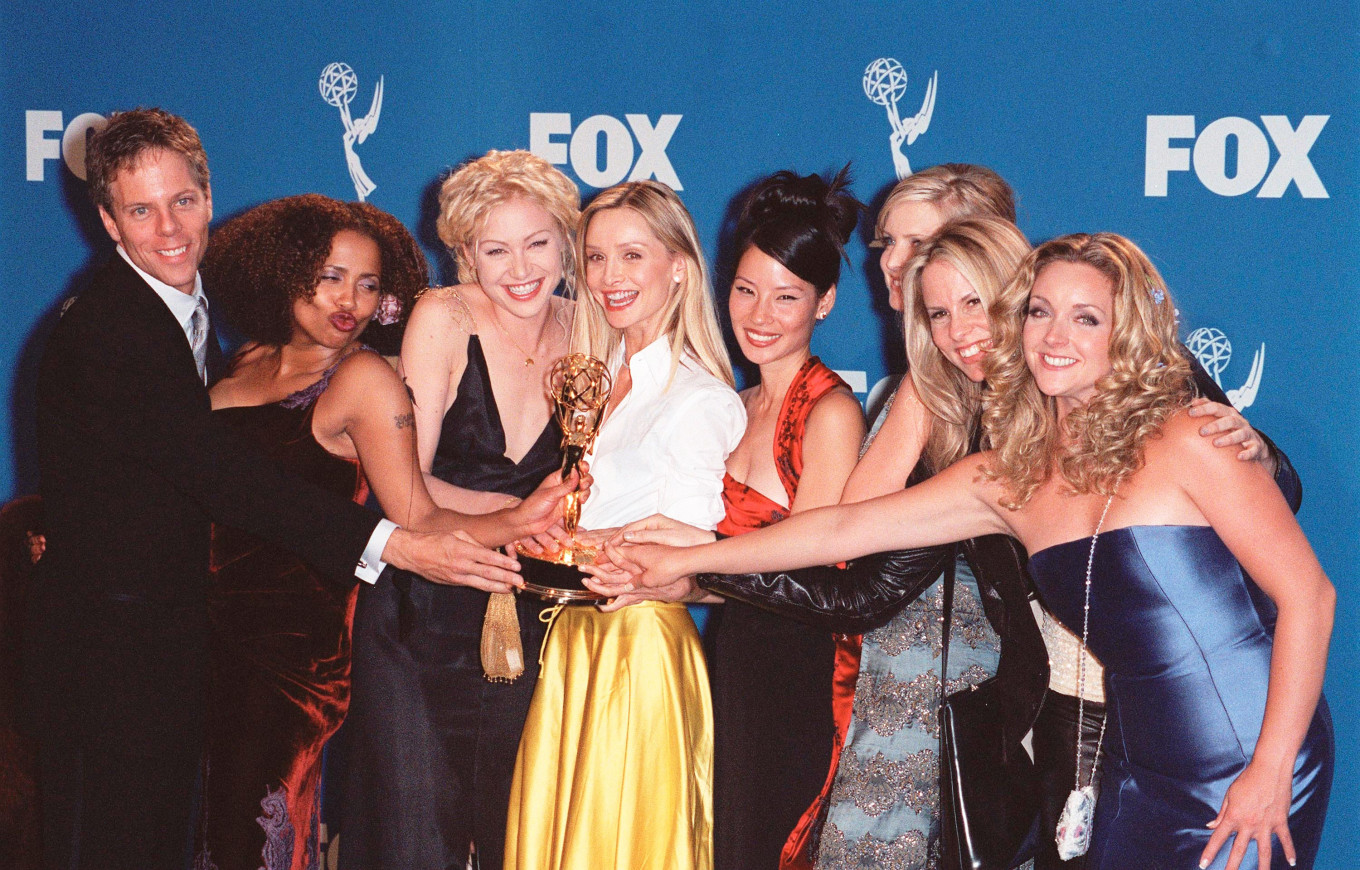
Here is an attempt at reassessing two major television sitcoms that helped define that era: Friends and Ally McBeal. One was wholesome, the other controversial. Guess which one is timelier in 2026?
My introduction to the two shows was when they first aired on Indonesian private TV in the late 1990s. I was too young to understand either properly, but I knew two things.
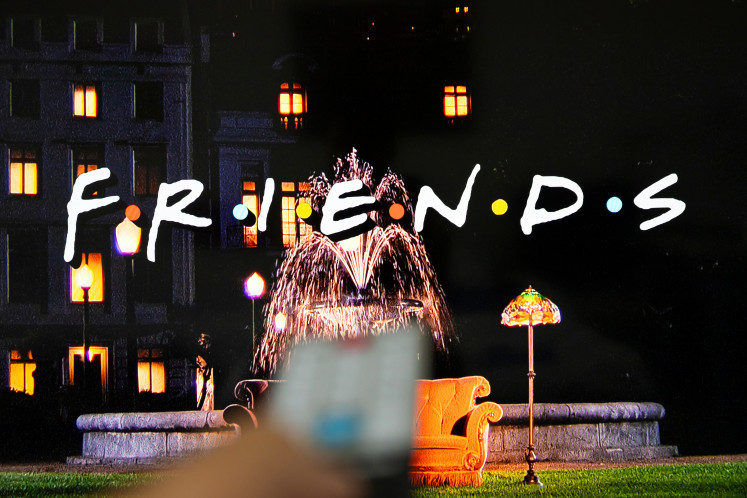
The characters on Friends had something I wanted: friendships that lasted a decade, a chosen family for every Christmas and a two-bedroom apartment on what appeared to be an entry-level salary.
The other was that Calista Flockhart had my heart. A highly educated woman arguing in court while retaining her quirkiness? That single female lawyer was a woman after my own heart. (No wonder she ended up with Harrison Ford, who is still the coolest guy ever.)
I rewatched both in senior high and university, during the golden age of cable TV in Southeast Asia. Friends helped me believe the grown-up world wasn't as scary as the news suggested. Ally McBeal, I decided at 21, was either ridiculously unrealistic or downright problematic.

Thank you!
For signing up to our newsletter.
Please check your email for your newsletter subscription.
I was wrong about which one was telling the truth.
A reality kick
Cut to 2026, and my thirtysomething brain has come to understand that neither series has aged beautifully. But Ally McBeal turned out to be the more resonant of the two, at least according to my experience as a grown-up so far. I still find it difficult to acknowledge this, considering it's the more disagreeable of the two.
But that's the thing: Life is, more often than not, disagreeable. Friends who remain part of our day-to-day lives for a decade are more fictitious than the aliens in Star Wars; and aliens might be real, after all. If we are honest with our deepest selves, many of us would rather spend our days off and major holidays alone.
On recently rewatching Ally McBeal, which is now available to stream, I couldn't help noticing how grounded in reality this seemingly ridiculous series actually was. The antics and neurosis of the titular heroine can be hard to watch, but now that I'm a grown-up, I can identify with her struggles.
Ally longed for genuine love and happiness. Unfortunately, the cases she handled as a lawyer continuously and mercilessly tested her faith. The other characters loved making fun of her, but only because they were better at hiding their own fears and insecurities about being an adult.
One particular episode struck a chord. In it, Ally has to defend a woman whose husband sues her after he discovers she married him simply because she was now in her 30s and wanted to settle down.
Seems silly? Perhaps. But in reality, many people get married for reasons other than being passionately in love. Ally, as a professional lawyer, must defend her client, even though she privately feels agitated by people who treat something as sacred as marriage so casually.
At the end of the episode, Ally wins the trial, but not without witnessing the heartbreak of her client's husband. The cruel reality has kicked him in the guts. The fairytale is over. Perhaps no one really wins.
Bygones, not gone
In a very strange way, Ally McBeal uses the legal profession as a brutal yet effective metaphor for adulthood. "Bygones" is Ally's catchphrase, her way of moving past something painful without pretending it didn't happen. It's a useful word for grown-ups.
One reason lawyers are often dismissed as cold and soulless is because they frequently have to navigate circumstances that are equally unforgiving. The court of law, as a metaphor for the grown-up world, can be a devastating place for dreamers and optimists. When the characters in Ally McBeal made bad decisions, it was usually because they were trying to avoid making even worse ones.
Then there is the finale. The last episode of Friends was heartwarming and emotionally satisfying. The last episode of Ally McBeal was not. (Spoiler: by the end of the series, Ally walks away and moves to a different city, without a husband or a bright, certain future ahead of her.)
Typically, TV audiences loathe that kind of ending, but I find it poignant. Ally had to walk away and move on, but even at the very end of her story, she refused to let the world crush her.
Friends gave us the ending we wanted. Ally McBeal gave us the one that felt real.
 (Shutterstock)
No one should model their life on a TV sitcom. Having said that, I couldn't help but find one enduring example in Ally McBeal.
Being uncompromising in one's principles can be infuriating to watch and easily become an object of mockery, especially in a world where being disagreeable and misunderstood can lead to cancellation. But when I watch Ally McBeal now, I don't see a lonely loser with her head in the clouds: I see an honest person trying her best to make a good life, one moral dilemma at a time.
And in 2026, that might be the most radical thing any of us can do.
Felix Martua is a music and film journalist who has interviewed countless artists over the years. He’s known for his signature black jacket, Ghibli collar pin and slightly sinister grin.