(Sportcoholic/Bayu DX)
We’ve made it to 2026, but the past year feels like multiple lifetimes compressed into one.
Each month revealed itself through lifestyle markers: movies that turned into shared rituals, songs that bridged generations, brands that claimed public space and jokes that spread from local content into global timelines.
As our team reflected on the past 12 months, we kept catching ourselves saying, “Wait, that was in 2025?”
The cultural moments listed here have lingered because they reflect how Indonesians actually lived 2025: how we gathered, watched, moved and tried to keep pace with everything unfolding around us amid a year full of disaster and drama, collectively, creatively and at times, absurdly.
1. When sports became lifestyle currency
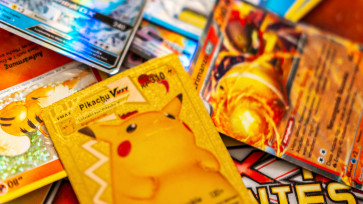
Padel was everywhere and impossible to ignore. What started as a niche sport quickly turned into a full-blown part of the 2025 lifestyle.

Thank you!
For signing up to our newsletter.
Please check your email for your newsletter subscription.
From just 133 venues nationwide in 2024, Jakarta alone hosts around 200 courts now. By mid-2025, some padel courts reported 80-90 percent occupancy during peak hours, often operating up to 18 hours a day.
The appeal is simple: Padel is accessible, social and fun. Whether the hype carries into 2026 remains to be seen, but its grip was certainly intense last year.
Beyond padel, the country also had reason to celebrate in the regional sporting arena. At the Southeast Asian (SEA) Games in Thailand, Indonesia won 333 medals to finish in second place, our highest ranking since 1995.
Our athletes brought home 91 gold medals in total, including nine in athletics, six in archery and 76 more across wall climbing, wushu, badminton, skateboarding and other events. It was a sweep that marked a high point in our sports history.
2. When a film became a milestone
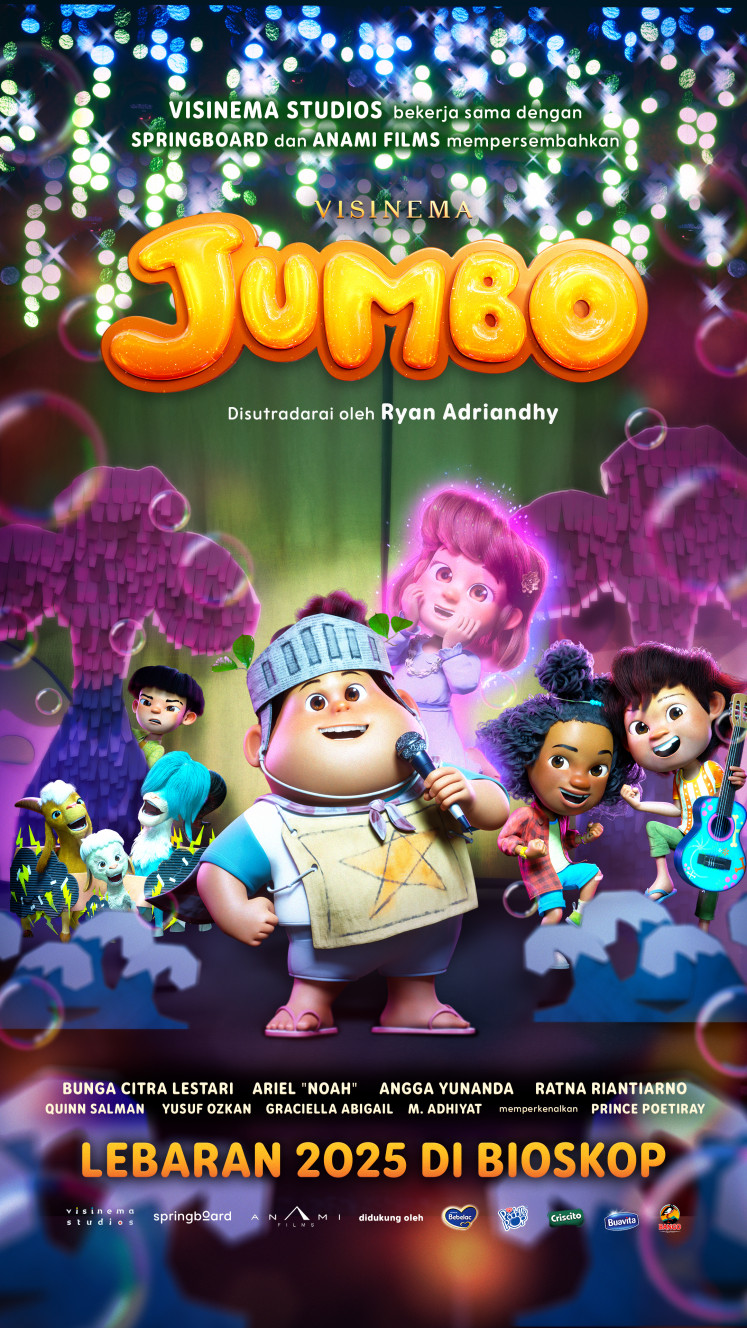
Idul Fitri felt a bit more special last year. On March 31, 2025, Jumbo graced the theaters, turning a holiday outing into a national event.
Ryan Adriandhy’s directorial debut became the highest-grossing Indonesian film of all time, selling over 10.2 million tickets. Beyond numbers, Jumbo marked a turning point for local animation: a feature film rooted in Indonesian culture that also carried global emotional weight.
 (Visinema)
If you missed it in theaters, the movie began streaming on Netflix on Christmas Day, making it harder than ever to skip what will likely become a generational touchstone.
3. When hipdut became everyone’s soundtrack
Once dismissed as old-school, dangdut reemerged in 2025 as a blend of trap beats to the rhythm of kendang (two-headed drum), familiar enough for older listeners yet fresh enough for Gen Z.
The popularity of Tenxi, Naykilla and Jemsii, the ultramodern hipdut trio, showed us that dangdut never really left as a local favorite: it simply evolved.
 (Naykilla)
The genre’s reinvention as a mix of hip-hop and dangdut crystallized when the trio’s AMI Awards-winning hit “Garam & Madu (Sakit Dadaku)”, which translates into "salt and honey (my chest hurts), amassed nearly 250 million Spotify streams.
Following their AMI award, Tenxi stated, “It’s a rebrand of dangdut. We carry Indonesian music on a modern, worldwide stage.”
Their first international debut was in October at the South by Southwest (SXSW) Sydney conference and festival in Australia.
4. When local coffee brews went bigger than ever
Homegrown coffee brands also made some of their boldest moves yet in 2025.
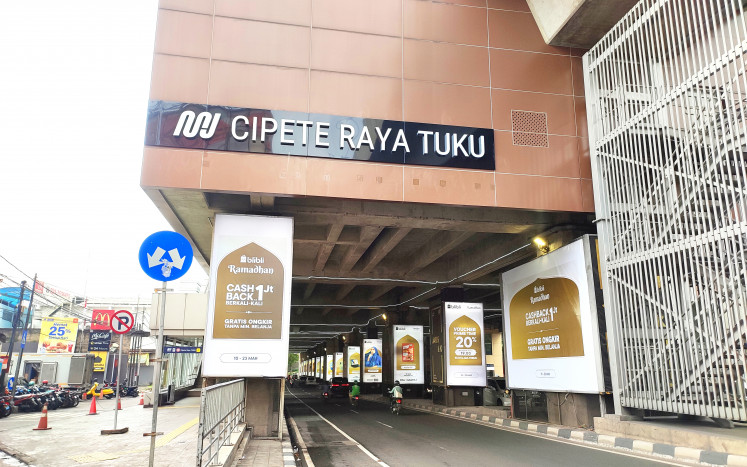
In January, Toko Kopi Tuku purchased the naming right to the Jakarta MRT station in Cipete, South Jakarta, the neighborhood where its very first outlet opened, marking its 10th anniversary by formally dubbing it Cipete Raya Tuku.
 (Shutterstock)
Fore Coffee followed with an initial public offering in April, accelerating an expansion plan that includes opening 140 new outlets nationwide over the next two years, on top of its existing 216 local outlets and an established presence in neighboring Singapore.
It was the crowning latte art, proving that Indonesian coffee brands can scale up without losing relevance.
5. When local humor became a worldwide meme
The local internet culture had a year of its own, beginning with “Tung Tung Tung Sahoor”, created and popularized by TikTok creator Noxa, surging across timelines in February by turning Ramadan folklore into a surreal comedy.
 (Mementum Lab/Noxaasht )
The term “Tung” mimicked the traditional drumming used to remind people of sahur (predawn meal) with the not-so-gentle implication that if you didn’t get up, something might come knocking.
Soon after, Rayyan Arkhan Dikha, better known as the "boat kid”, entered the global internet stage. His dance, which catapulted the term “aura farming” into online culture, was captured on video during Pacu Jalur, a traditional longboat race on the Kuantan River in Riau.
The clip, boosted by “Young Black & Rich” by Melly Mike, went viral and was re-created worldwide, drawing thousands of new followers.
What began as local humor became a global trend, proof that Indonesia’s internet culture translates and resonates well and far across borders.
Ainur Kiki is an intern at The Jakarta Post’s Creative Desk. He spends too much money on expensive, niche lattes, and occasionally forgets his stomach needs to be fed.
With contribution from Aqraa Sagir.