(Iman Brain)
“We signed the contract without knowing what film we’re making!” Boris Bokir laughs when asked how he prepared to lead the second Agak Laen film.
The first one, Agak Laen (2024), was only production house Imajinari’s third feature film, yet the horror-comedy became the highest-grossing film in 2024, selling over 9 million tickets and winning the Antemas Award at the 2024 Indonesian Film Festival (FFI).
Its runaway success left one question hanging: How do you follow a phenomenon without repeating it?
The answer begins with the writing. Despite being rooted in the comedic rhythm of the popular Agak Laen podcast, hosted by Boris and his three fellow Batak stand-up comics, the first film earned an FFI nomination for Best Original Screenplay. This underscored that it wasn’t an adaptation or recycled material, but something crafted from scratch. The second film follows that same principle.
In the first movie, the four leads, Boris, Oki Rengga, Indra Jegel and Benedion Rajaguguk, play haunted-house workers who accidentally kill a visitor. But instead of expanding that universe, Imajinari chose a riskier path: building a completely new one.
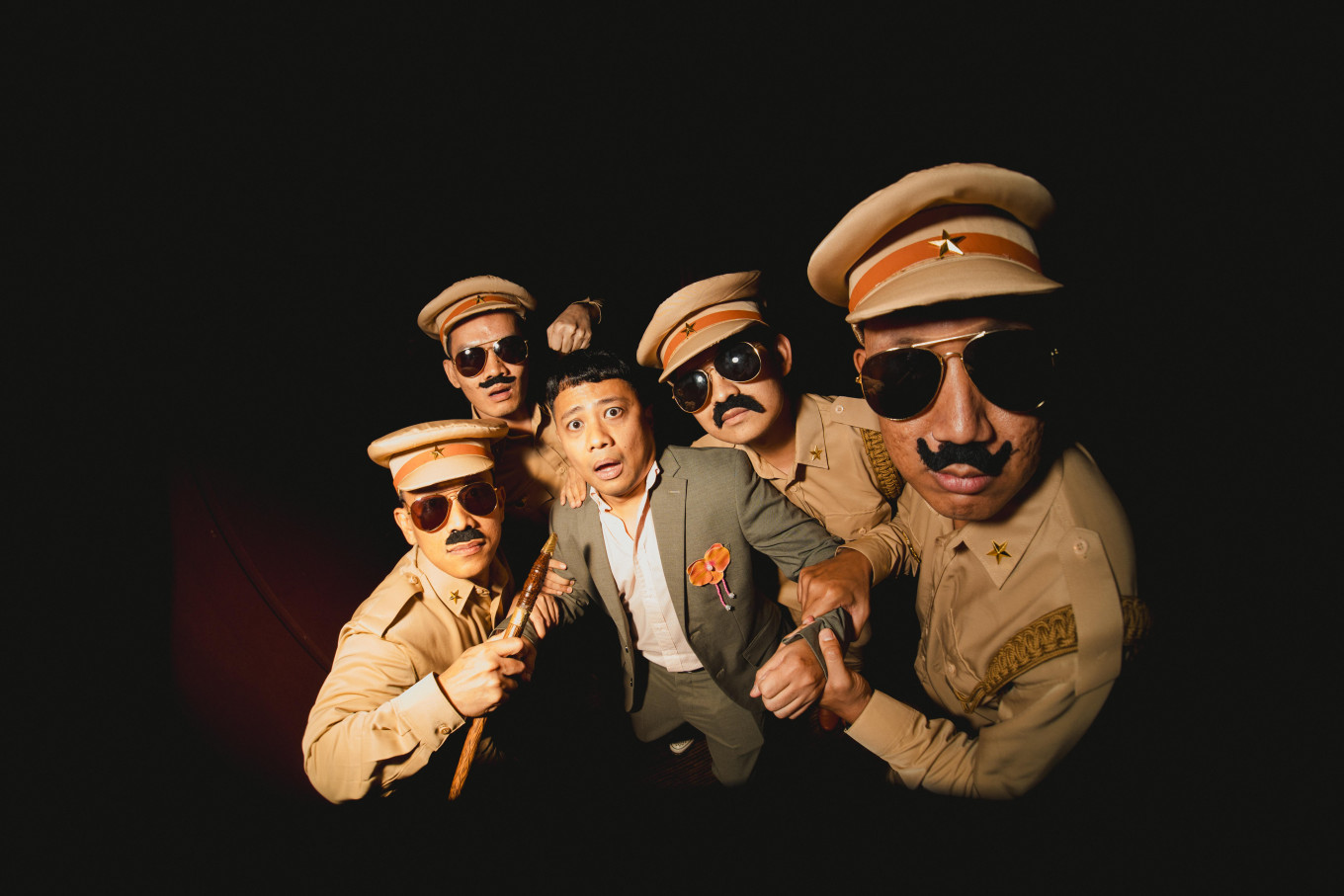
In Agak Laen: Menyala Pantiku! (Agak Laen: This Retirement Home is on Fire!), the main characters return as themselves, but step into an entirely new story. This time, they’re struggling detectives chasing a murderer inside a retirement home, with Boris taking the lead.

Thank you!
For signing up to our newsletter.
Please check your email for your newsletter subscription.
From the start, the team made it clear: this isn’t a sequel. It’s a new film wearing a familiar face.
So, is the second one any better? And can a film reject sequel logic while still delivering what audiences want?
Twice the laughter
Comedy exists to make people laugh, and this film does exactly that. Two scenes in particular brought the theater, myself included, to a full roar. Overall, the laugh-per-minute pace feels tighter than the first film.
Writer-director Muhadkly Acho, himself a Citra-nominated actor, credits the improvement to contrast, a core ingredient of situational comedy. Dropping inexperienced detectives into a retirement home generates instant friction, confusion and absurdity, but the setup comes with ethical landmines.
Comedy always has victims. And with elderly characters at the center, lazy humor would’ve been the easiest, and ugliest, route. This is where the second film outperforms the first: it’s not only funnier, it’s gentler.
 (Iman Brain)
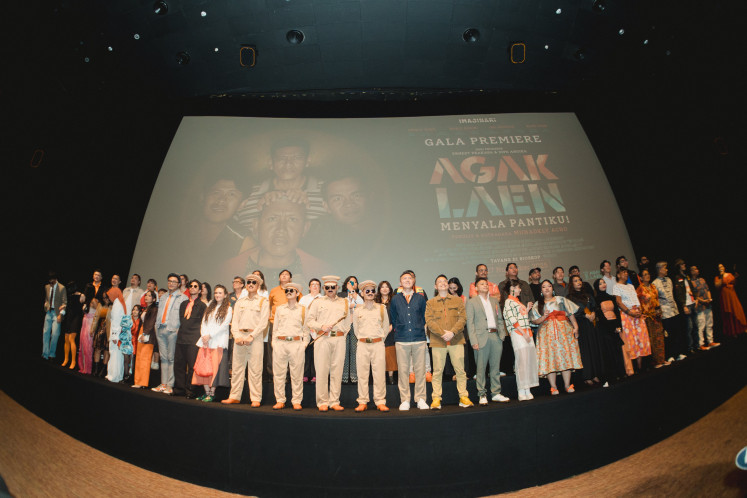
The cast includes respected comedic and dramatic actors: Jajang C. Noer, Egy Fedly, Tika Panggabean, Jarkwo Kwat and Malaysian actor Chew Kin-Wah. Acho and Boris said these senior actors helped pressure-test scenes during script readings to ensure no jokes turned cruel.
And it shows. Tika Panggabean plays a blind woman who waits every morning for her son, holding boiled eggs. Jarwo Kwat portrays a man determined to live independently despite mobility limitations. These characters aren’t props for the film; they’re written with care. They’re people dealing with vulnerability, aging and dignity.
One of the standout performances comes from Githa Bebita, who runs the retirement home and hosts a party jompo (elderly party), turning the home into an evening of communal sanctuary with singing and dancing.
By the end, the film is more than a chain of jokes. It is laughter wrapped around the realities of family, something most of us recognize and resonate with.
Building a story with real weight
The second film carries a deeper emotional spine than the first. Each of the four leads shoulders a family-driven struggle: Oki worries about supporting his pregnant wife, Indra sends money home to his mother, Bene helps pay for his sister’s school and Boris faces the possibility of losing his daughter in a divorce petition.
These backstories exist for a reason.
“I design the characters based on their real stories, frequently told on the podcast,” Acho says.
In his films, Acho always starts with a premise, but the real challenge begins in shaping each character’s emotional arc and deciding who should anchor the narrative.
Listeners of the Agak Laen podcast will catch small details pulled directly from it. Tika Panggabean’s boiled-egg routine, for example, is inspired by Bene’s mother.
Acho said the backstories for Oki, Bene and Jegel came easily, but Boris’s was harder.
“Boris’s life seems perfectly fine,” Acho says.
“My life is perfectly fine,” Bories replies with a chuckle.
Eventually, Acho leaned into Boris’s real divorce experience, transforming it into a father-daughter storyline.
“His stakes are the biggest, because he might lose his daughter,” Acho continues.
That clarity convinced him Boris should lead the second film.
When Boris first read the script, he knew it carried a different weight. In the first film, much of the humor relied on verbal exchanges; this time, the comedy leans into staging, rhythm and situational timing.
Acho prepared differently, too. “I read reviews because they might have noticed something I missed,” he adds.
All in all, Menyala Pantiku! isn’t just a commercial follow-up. It feels intentionally made, a film shaped with the desire to evolve and to reflect, using the same spirit of joy and friendship that defines the Agak Laen universe.
It returns stronger, funnier and, almost unexpectedly, warmer.
Reza Mardian is a winner of the Best Film Critic award at the Festival Film Indonesia 2024 and a “pawrent” to two rescued cats. He writes screenplays every time he finishes rewatching La La Land or Lady Bird.