(Shutterstock)
These days, “cut off toxic people” is as common a New Year’s resolution as finally using your gym membership. Social media serves it up as a one-size-fits-all fix for every bad relationship.
But there’s something about how casually it’s dispensed that always rubs me the wrong way. Maybe it’s the way certain mindfulness influencers deliver the message like chatbots: mindlessly affirming your every feeling, even when you forgot your partner’s birthday again.
It’s not that they’re wrong, exactly. It’s that the advice flattens something incredibly heavy into a feel-good template. “You don’t owe anyone anything” can be empowering, yes, but it can also become a shortcut that discourages self-reflection and reduces relationships to simplistic transactions.
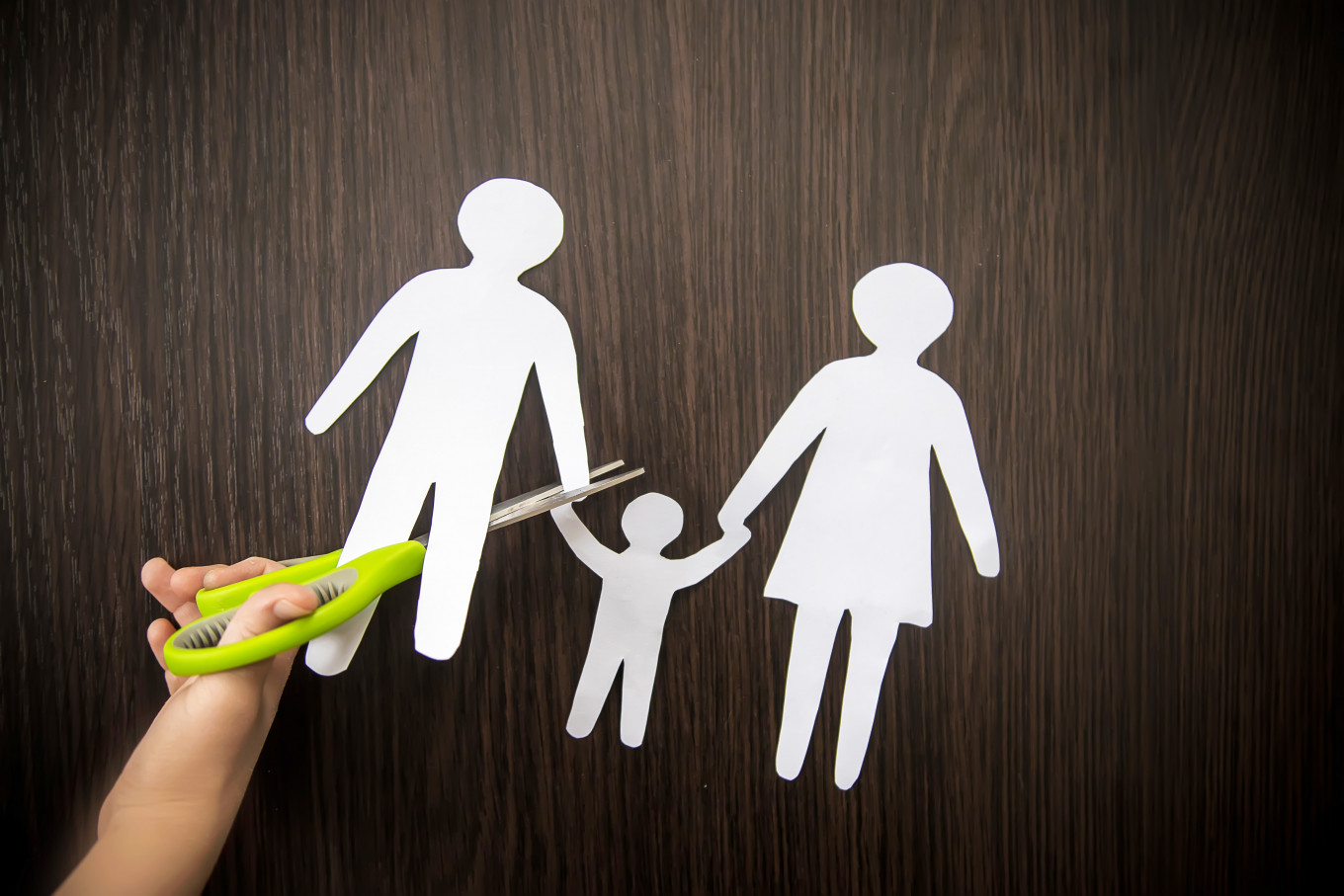
Especially when the “toxic person” you’re thinking of cutting off shares your last name.
In real life, family fallouts don’t always come with dramatic showdowns. Sometimes they look like ghosting a relative who lives three doors down. Sometimes they mean bracing yourself for that uncle over dinner.
So before Chinese New Year and Idul Fitri roll around with their annual serving of obligation and awkwardness, it’s worth asking: What does it really mean to walk away from family? And what are the emotional costs of doing it too quickly or not doing it at all?
Thank you!
For signing up to our newsletter.
Please check your email for your newsletter subscription.
Taking it into our own hands
Choosing to sever family ties is often a last resort, born from years of trying and failing to bridge an emotional canyon.
According to a 2017 literature review by Blake, some of the most common reasons for family estrangement include feeling unloved, unsupported or emotionally unsafe, especially when those closest to us refuse to acknowledge harm or toxic behavior.
For Jo, 23, the decision was clear.
“I don't want an active cheater and an abuser to be anywhere near the person he's trying to take advantage of,” he said about his father. “I want to protect my mother and my family. He doesn’t live with us anymore.”
Jo made a clean break. But for Rama*, 24, things aren’t so simple.
“My relatives are my neighbors,” he said. “So we just ghost them and never talk to them as much as possible.”
Rama’s family dynamic was toxically conservative. With that came a second layer of pressure: cultural expectations.
“When other relatives visited, they told us we were being disrespectful,” Rama said. “But we felt like we had no choice. We had to do something.”
Even so, his family avoided confrontation and distanced themselves, choosing politeness over explosion.
“Our family has a very traditional culture. We have to respect our elders,” he said.
This tension is familiar to many Indonesians, where silaturahmi (preserving family bonds) and seniority often take precedence over emotional safety. When someone cuts ties, the blame rarely falls on the abuser. It lands on the person who walked away.
“If the one being cut off is older, a parent, for example, they will not receive any stigma. The stigma usually lands on the one younger person, the child who severed the ties,” explained psychologist Mariati Budirahardja. “Even if they’re not the ones in the wrong.”
Still, despite the pressure, both Jo and Rama said that walking away, even partially, brought peace.
“We don’t have to worry, think or care about them anymore,” Rama said. “We’re better off.”
For Jo, the clarity was healing.
“It's the best decision I've made for my family,” he said. “And I believe that everyone in my family agrees.”
Before you cut the cord
Severing ties with family can absolutely be the healthiest choice with profoundly positive outcomes. But it should never be the first move, especially if the problem hasn’t been fully understood.
The catch is: It’s only healthy if done right.
“If the problem doesn’t lie in the relationship itself, negative effects will appear. Cutting off won’t fix the issue,” said Mariati. “You could create new issues instead.”
Sometimes, the core issue isn’t the family dynamic at all; it’s something unresolved within ourselves. When the decision is made impulsively, she said, both sides suffer.
“The person who cuts relations will feel guilty, while the one who got cut off will feel estranged and lonely,” she said.
Neither will feel settled. Everyone will lose their footing.
That’s why Mariati considers cutting off as a last resort, one that should only come after identifying the problem and attempting to establish real boundaries.
“Lines get blurred in families. But we’re distinct individuals with our own emotional, financial and practical needs,” Mariati said. “Boundaries are how we remind each other of that, without hurting one another.”
Take financial expectations, for instance.
“An adult child might be expected to support the family. If they’re emotionally mature, they’ll communicate how much they can realistically give,” Mariati said. “And they’ll stand their ground with their boundaries, whatever the family says.”
Yes, it sounds cliché: set boundaries, speak up, talk it out.
But unlike avoidance or ultimatums, those acts require honesty and courage. Though uncomfortable, they force us to sit with conflict instead of fleeing it.
“When family relationships aren’t going well, it’s our chance to practice communicating and learn how to problem-solve,” Mariati said.
“We’re not used to handling conflict anymore. Social media teaches us to block and swipe away what we don’t like.”
Today, unfollowing is easy. Muting is instant. And advice to cut off people comes just as quickly.
But here’s the thing: patterns repeat.
“We can cut off bad relationships, but we will find similar problems later,” Mariati said.
“While we might feel liberated from our family, without realizing it, we will face the same issues, just in different shapes with different people.”
Not everything needs to be burned
Of course, some relationships need to end.
For those who grew up in abusive homes, for example, the question isn’t “Can I save this?” It’s “How do I get out safely?”
And that’s valid. Sometimes the kindest thing you can do, for yourself and others, is to walk away. But not every broken relationship belongs in the trash. Some are still compostable.
"Essentially, to cut off is a free decision to make. But that’s exactly why we need to be responsible when making it." - Mariati Budirahardja
In my case, teenage angst convinced me that certain family tensions were permanent. I let apathy take over, convinced nothing could change. I didn’t cut them off, exactly. I just stopped trying.
It took years: confrontational dinners, tears-filled breakdowns, long silences. Somewhere between awkward apologies and brutal honesty, the bond shifted and matured. We still argue, but now, we stay in the room.
That experience changed how I approach all relationships. Relationships need constant work. People and relationships can grow, but only if I give them a chance. And I’m trying to be brave enough to grow with them.
So… should you cut them off?
Only you can answer that.
But before you do, Mariati suggests asking yourself three things: Do I know where the problem really lies? Have I tried to communicate and set boundaries clearly? Am I making this decision from a place of reflection and not reactivity?
“Essentially, to cut off is a free decision to make,” she said. “But that’s exactly why we need to be responsible when making it. If you’re unsure, seek professional help.”
Cutting family off can feel like the right move, but clarity has to come first. Letting go should be the final option, after everything else has eroded.
Real freedom, the kind that brings peace, not just distance, doesn’t come from anyone else.
“It comes from within,” she said. “If you’re still dissatisfied with yourself, you won’t achieve that freedom.”
Siti Syafania Kose is a writer with a soft spot for art, history and all things humanities. They're a self-proclaimed nerd who accidentally became a gym jock, and now lives somewhere in between.