(Mahakarya Pictures)
I love Idul Fitri. Eating a stupid amount, spending time with aunts and uncles whose names you barely remember and being unproductive are the expected defaults. But what I probably enjoy most is the lineup of movies that come out during this golden window of leisure, which has become its own tradition.
In 2024 there was Joko Anwar's harrowing Siksa Kubur (Grave Torture), which I watched with my parents, much to their chagrin. In 2025, Ryan Adriandhy's lovely animated feature Jumbo made me feel things I wasn't prepared for.
This year, I doubled down on wholesome family adventures and watched two vastly different movies from our local industry.
One is set in a sun-drenched neighborhood in 1960s Surabaya, where precocious 5-year-old Na Willa is getting into trouble and learning hard lessons. The other takes place in 2089 on a space station orbiting a colonized Mars, where a girl named Pelangi is the first human ever born on the red planet.
The settings could not be more different. But somewhere between Surabaya and the Martian frontier, I realized that both movies were telling me the same thing: the best way to face a world you don't fully understand is with curiosity, warmth and a stubborn refusal to stop growing.
In a year that has felt anything but easy, that's not a bad message to walk out of a cinema with.

Thank you!
For signing up to our newsletter.
Please check your email for your newsletter subscription.
‘Na Willa’
The first movie I sat down for was Na Willa, Ryan's live-action follow-up to last year's Jumbo.
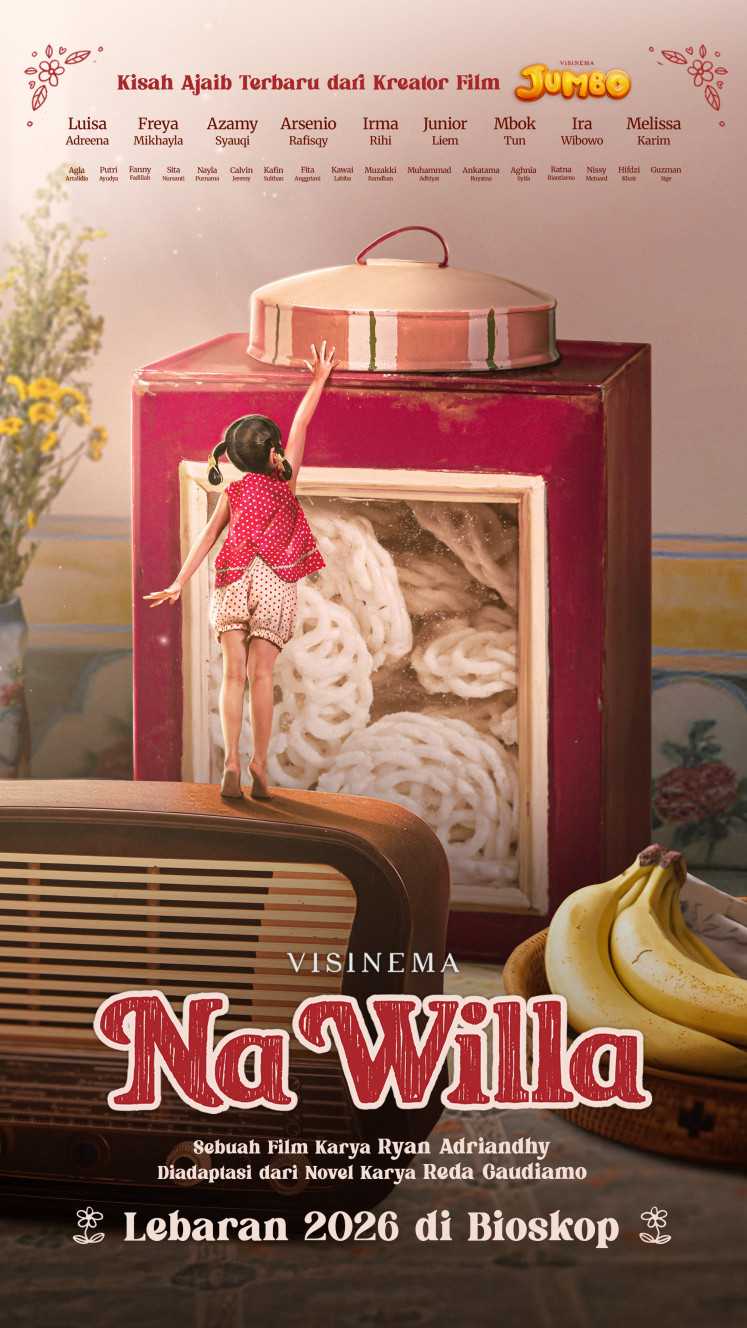
A grounded slice-of-life movie set in a nostalgic 1960s Surabaya, Na Willa is about exactly who the title suggests: an exuberant child whose funny shenanigans around her quaint neighborhood double as critical life lessons.
 (Visinema Pictures)
The plot isn't a conventional straight line and it meanders through different adventures, feeling more like a sweet collection of short stories than a single narrative. In one chapter, Na Willa gets a pet chick, which she names Ayam Kuning Kecil Sekali (very small yellow chicken). In another, she's at the center of a fabulous musical number set in a hospital.
I could never tell where the story was going next, but I enjoyed every slice of it.
The whole thing hinges on its titular protagonist, and Luisa Adreena is simply wonderful as Na Willa. Charismatic and absolutely adorable, Na Willa has an endearing curiosity that perfectly balances out the mischievous antics she gets into throughout the movie.
But it's not just her. The entire cast is magnetic. Na Willa's vibrant group of friends serves as different foils to her personality, giving audiences a genuine group dynamic that you can see yourself being a part of.
Irma Riki and Junior Liem as Na Willa's mother and father, respectively, ground the story with a moving sincerity, making the movie an equally impactful experience for adults navigating the roller coaster of parenthood as it is for the kids sitting beside them.
 (Visinema Pictures/Jonathan Satriyo)
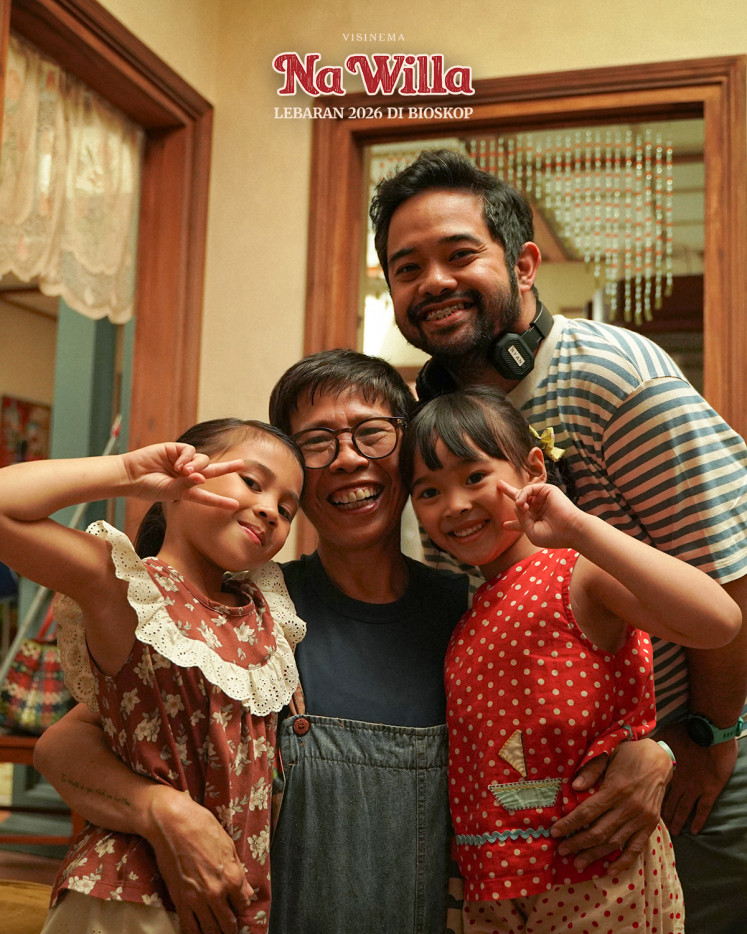
The visuals are a delight, too. There's a romantic quality to the scenic design, which is interwoven with elements of a theater production: props moving in and out of frame, dramatic lighting shifting from one character to another. These give the movie a surreal aesthetic that plays into how whimsically Na Willa sees the world. Everything looks deliberately colorful.
What I love most about the movie's meandering structure is how much emotional ground it covers. Na Willa experiences tragedy, learns the importance of telling the truth, grapples with responsibility and discovers the value of education, all lessons children can absorb and carry with them, long after they leave the cinema.
Like a caterpillar, Na Willa continues to grow and learns the reality of the world she lives in, realizing that nothing truly stays the same. Instead of grief, she greets her ever-changing life with joy, blossoming into a butterfly that's ready for the next adventure.
I, for one, can't wait to see where she goes next.
‘Pelangi Di Mars’
The following day, I went from Surabaya’s cozy neighborhoods to space with Pelangi Di Mars (Rainbow in Mars)
Directed by Upie Guava, this ambitious sci-fi adventure has reportedly been in development since 2020. Judging by the scale and complexity of the production, it's easy to see why it took this long to materialize.
The story begins in a dystopian future set in 2089. Earth has been deemed inhospitable due to a clean water crisis and driven humans to colonize Mars in search of the “Omega Zeolite”, a mineral that could solve the crisis back home.
This premise carries the movie's overarching message: We have a collective responsibility to protect the environment, or we risk the same fate. It's a heavy idea delivered through an entertaining package.
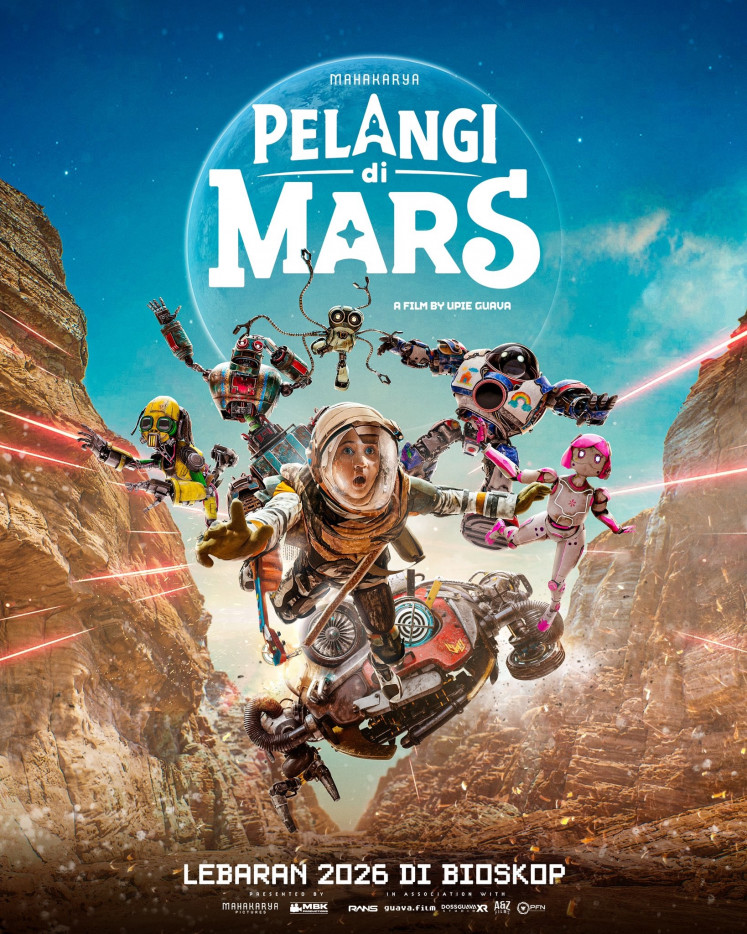
At the center of it all is Pelangi (Keinaya Messi Gusti), the daughter of an Indonesian scientist who made it to Mars, making her the first human born on the red planet. Like Na Willa, she is a lovable, curious girl who approaches her world with wide-eyed wonder rather than fear.
 (Mahakarya Pictures)
The movie's first great strength is its characters and the dynamics between them. Pelangi's mother Pratiwi (Lutesha), anchors the emotional core and motivates her to find the Omega Zeolite. Their scenes together are touching and joyful, a completely recognizable relationship between a young daughter and her mother, just set in a futuristic space station in deep space.
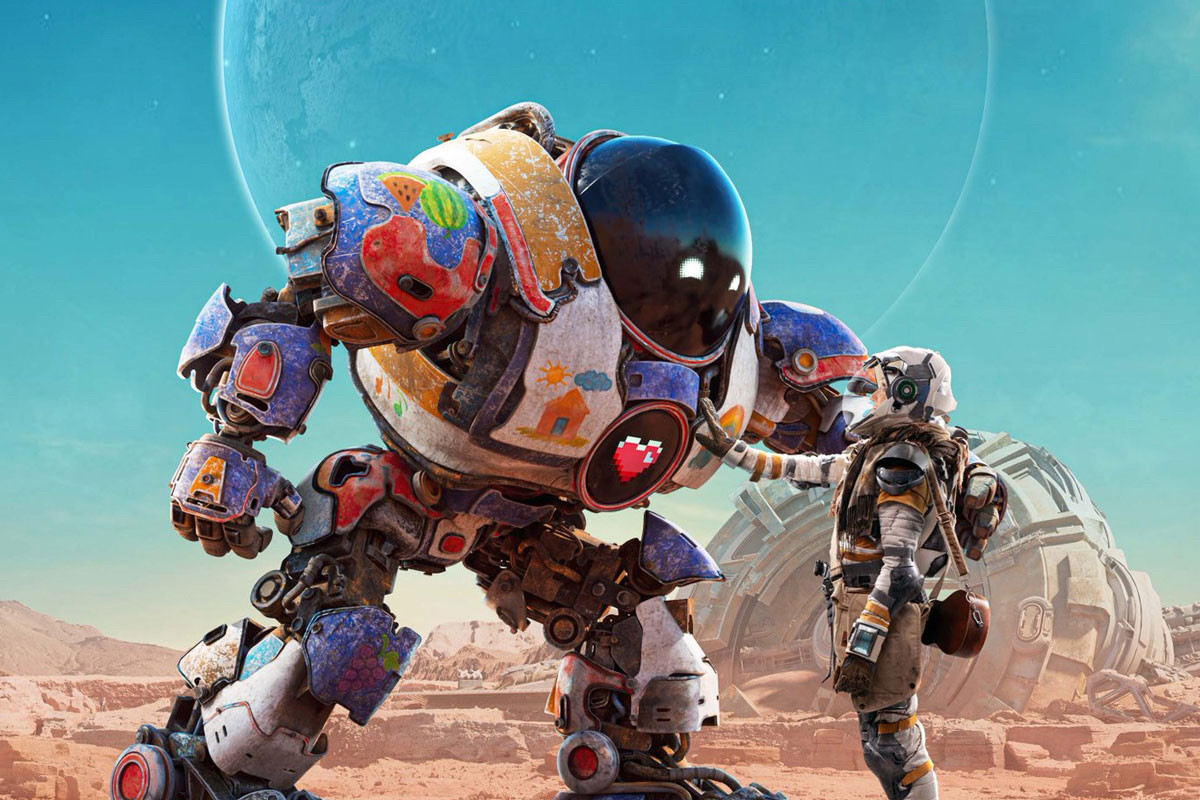
The real fun, though, comes from Pelangi's robot companions, and she has quite a few. Batik is a lovable and enormous protector who will remind you of Baymax from Big Hero 6, which the movie leans into rather than away from, and “he” even has a catchphrase: monggo (Javanese for “please”). I found this baffling and brilliant, every single time he said it.
Then there's Petya, who is snarky and blunt, Yoman, a free spirit, Sulil, timid and shy, and Kimchi, aloof and a little unhinged. Together they produce a steady stream of hijinks, and their simple, charming designs are the kind kids will be drawing at home, long after the credits roll.
I also appreciated that each robot is from a different country. Petya is Russian while Kimchi is Korean, subtly introducing different cultures to young audiences through the vehicle of silly, lovable machines.
What trumps even the characters, though, is the spectacle. The space station sets look legitimate, the action is grand and the movie takes you on an adventure across the Martian landscape that genuinely impresses.
That said, I do have some gripes.
The visuals are inconsistent. Some scenes are stunning enough to make you forget you're watching an Indonesian production, then others pull you right back with CGI that hasn't quite reached the same standard.
There were also some animated assets that looked like they were AI-generated. I can't say for certain whether they were, but they stood out enough to be distracting.
The story, too, falters at times. It does its job and delivers a satisfying enough ride, but it feels formulaic, the kind of plot you might recognize from any number of animated family movies from the early 2000s.
That's not necessarily a dealbreaker. The whole family will still have an enjoyable time, but given how epic the movie's visual ambitions are, I found myself wishing the writing matched.
Pelangi Di Mars is ultimately a fantastic showcase of what our filmmakers are capable of. It just falls slightly short of the compelling narrative its lofty goals deserved. Still, as a marker of where Indonesian cinema is heading, it's worth every minute.
Aqraa Sagir is a writer for The Jakarta Post's Creative Desk. He’s chronically online in the hope it would be a useful asset for the job.